
Did you know that lithium ion batteries power everything from smartphones to electric vehicles? As demand increases, manufacturers refine production to improve efficiency, safety, and performance.
The battery industry is evolving with advanced materials like high-nickel cathodes, silicon anodes, and solid-state electrolytes. These innovations enhance energy density and lifespan while reducing costs.
In this article, you’ll explore the complete lithium ion battery production process. We’ll cover key stages, from electrode manufacturing to cell assembly and final testing. You’ll also learn about industry trends shaping the future of battery technology.
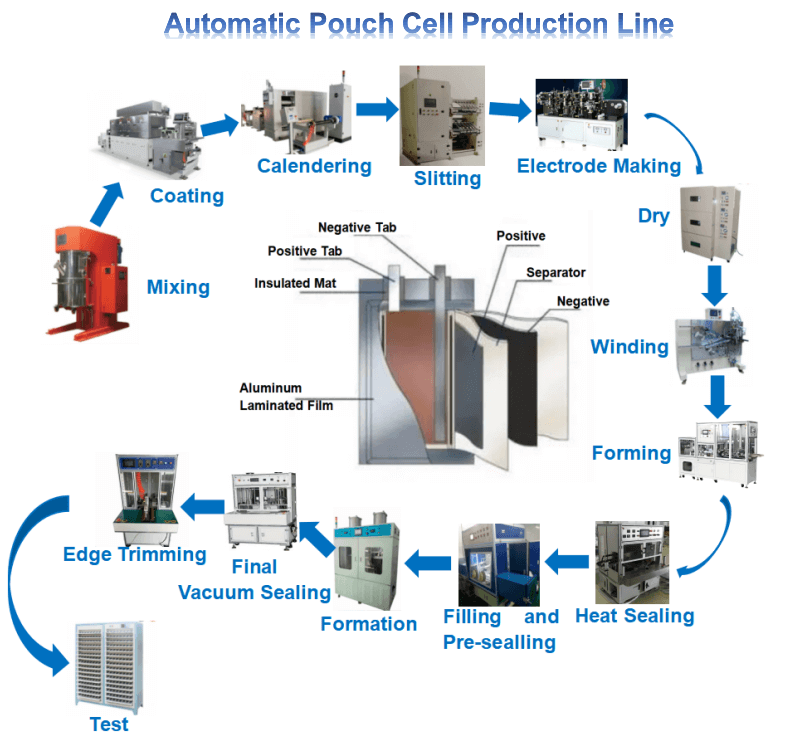
Manufacturing Process Overview
lithium ion battery production follows a structured process, ensuring efficiency, safety, and performance. It consists of three key stages: Electrode Manufacturing, Cell Assembly, and Cell Finishing & Testing. Each stage plays a critical role in shaping battery quality and durability.
Three Main Stages
- Electrode Manufacturing
- Mixing active materials, conductive additives, and binders
- Coating onto metal foils (copper for anodes, aluminum for cathodes)
- Drying, calendering, slitting, and vacuum drying for moisture removal
- Cell Assembly
- Stacking or winding electrodes with separators
- Welding tabs and inserting into casings (pouch, cylindrical, or prismatic)
- Electrolyte filling under vacuum to prevent contamination
- Cell Finishing & Testing
- Formation charging to stabilize battery chemistry
- Degassing, final sealing, and quality checks
- Aging tests for capacity retention, self-discharge, and safety
Comparison of Different Cell Designs
| Cell Type | Features & Benefits | Applications |
|---|---|---|
| Pouch | Lightweight, flexible, high energy density | Smartphones, EVs, laptops |
| Cylindrical | Robust, cost-effective, good heat dissipation | Power tools, medical devices |
| Prismatic | High capacity, compact, durable | Electric vehicles, grid storage |
Each design influences performance, durability, and production complexity.
Key Process Innovations
- Laser Drying: Faster drying, reduced solvent use, lower energy consumption.
- Extrusion Coating: Uniform electrode coatings, improved material efficiency.
- Integrated Product Carrier Concepts: Automated handling, enhanced manufacturing precision.
- Energy Recovery Systems: Reusing heat and electricity, lowering production costs.
Advancements in manufacturing enhance lithium ion battery performance while reducing costs. As demand grows, continuous innovation remains crucial for scalability and sustainability.
Electrode Manufacturing (Stage 1)
Electrode manufacturing is a crucial step in lithium ion battery production. It ensures precise material composition, uniform coatings, and structural integrity. The process includes Material Preparation & Mixing, Coating & Drying, Calendering, Slitting & Notching, and Vacuum Drying.
Material Preparation & Mixing
The first step involves blending key materials into a uniform slurry. This mixture must have the correct composition to ensure consistent battery performance.
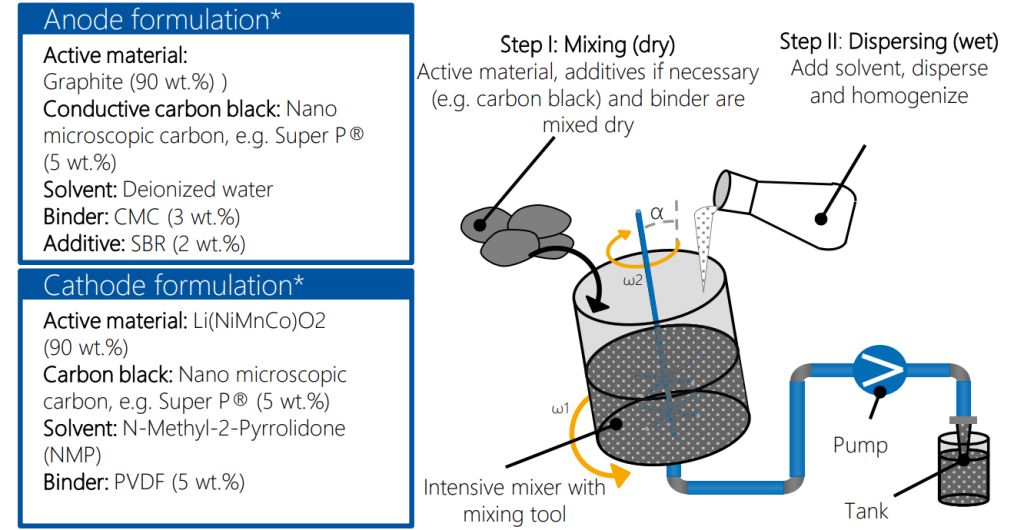
Key Components
- Active Materials
- Cathode: Lithium metal oxides (e.g., NMC, LFP)
- Anode: Graphite or silicon-based compounds
- Conductive Additives: Carbon black, CNTs for improved conductivity
- Polymer Binders: PVDF, CMC, SBR for adhesion
- Organic Solvents: NMP for cathodes, water-based for anodes
Mixing takes place in two stages:
- Dry Mixing: Active materials and conductive additives are blended.
- Wet Dispersing: Binders and solvents are introduced to create a slurry.
Vacuum mixing prevents gas inclusions, ensuring a homogeneous and defect-free mixture.
Coating & Drying
After mixing, the slurry is applied to metal foils (copper for anode, aluminum for cathode). Precision in coating thickness and uniformity is essential for stable battery performance.
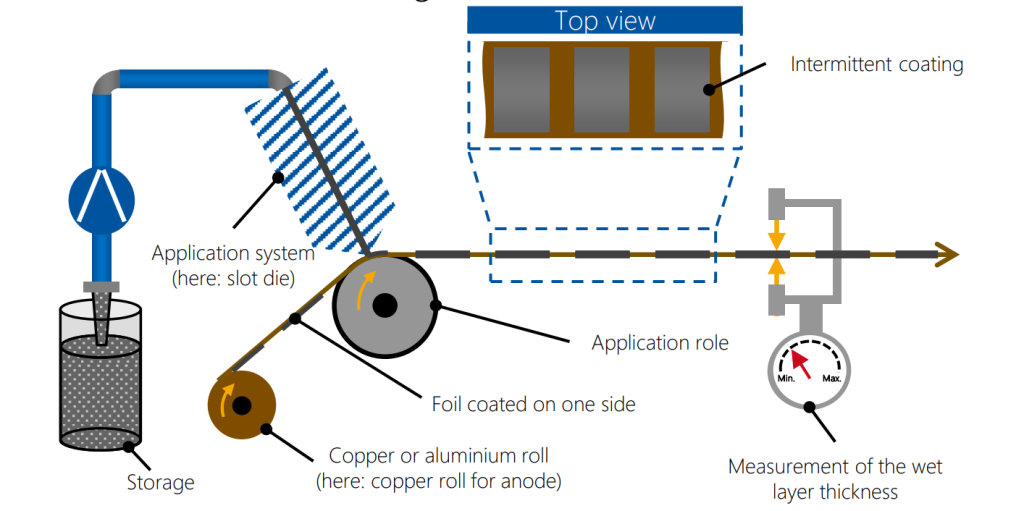
Coating Methods
- Slot Die Coating: Ensures even layers, commonly used in large-scale production.
- Doctor Blade Coating: A simpler method, but less uniform.
- Anilox Roller Coating: Ideal for specialized thin coatings.
Coated electrodes then go through a drying process to remove solvents. Controlled temperature and airflow prevent defects.
| Coating Parameters | Typical Range |
|---|---|
| Coating Thickness | 40-100 μm |
| Coating Speed | 35-80 m/min |
| Drying Temperature | 50°C – 160°C |
New technologies like dry coating eliminate solvents, reducing environmental impact, while simultaneous coating applies slurry to both sides, increasing efficiency.
Calendering (Pressing)
Calendering compresses the dried electrode layers to enhance energy density and electrical conductivity. It reduces porosity while maintaining flexibility.
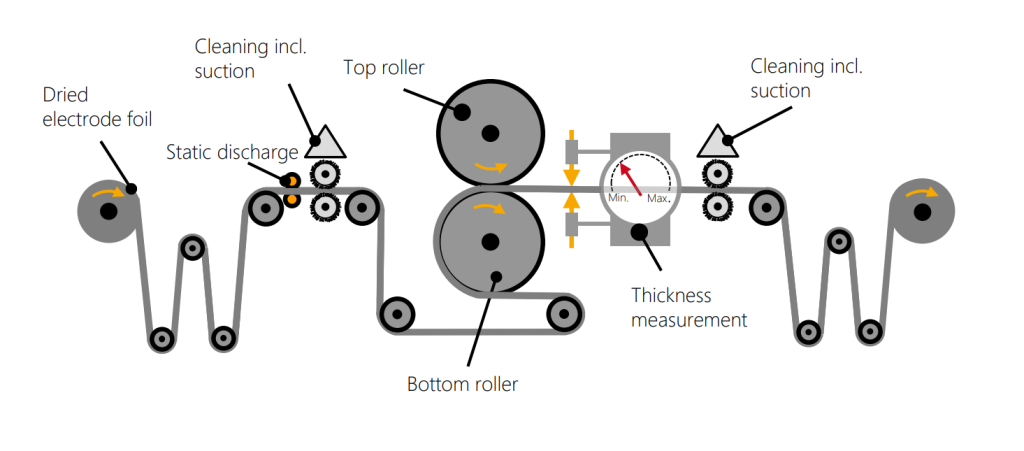
Key Parameters
- Line Pressure: Up to 2,500 N/mm
- Roller Temperature: 50°C – 250°C
- Porosity Reduction: From 50% to 20%-40%
Heated rollers prevent binder cracking and ensure proper material compaction.
Slitting & Notching
Electrodes are cut into precise shapes to fit cell designs (pouch, cylindrical, or prismatic). Accuracy is critical to prevent defects during assembly.
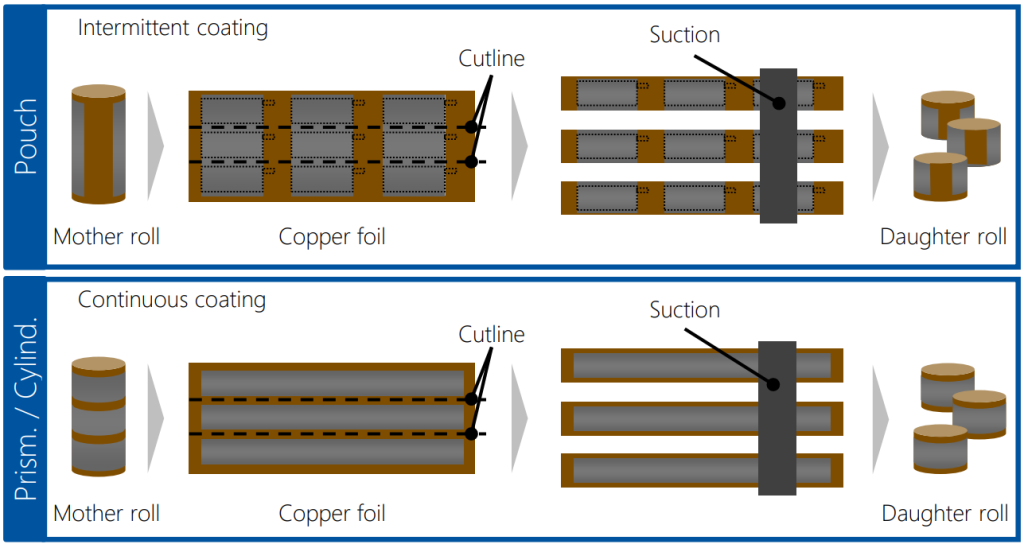
- Mechanical Slitting: Produces burr-free, high-precision cuts.
- Laser Slitting: More flexible but increases contamination risk.
| Slitting Parameters | Typical Range |
|---|---|
| Slitting Speed | 80-150 m/min |
| Cutting Accuracy | ±150 μm to ±250 μm |
Notching creates electrode tabs for terminal connections. Proper alignment ensures efficient welding in later stages.
Vacuum Drying
This final step removes residual moisture to prevent electrolyte degradation. Even small amounts of water can cause unwanted chemical reactions inside the battery.
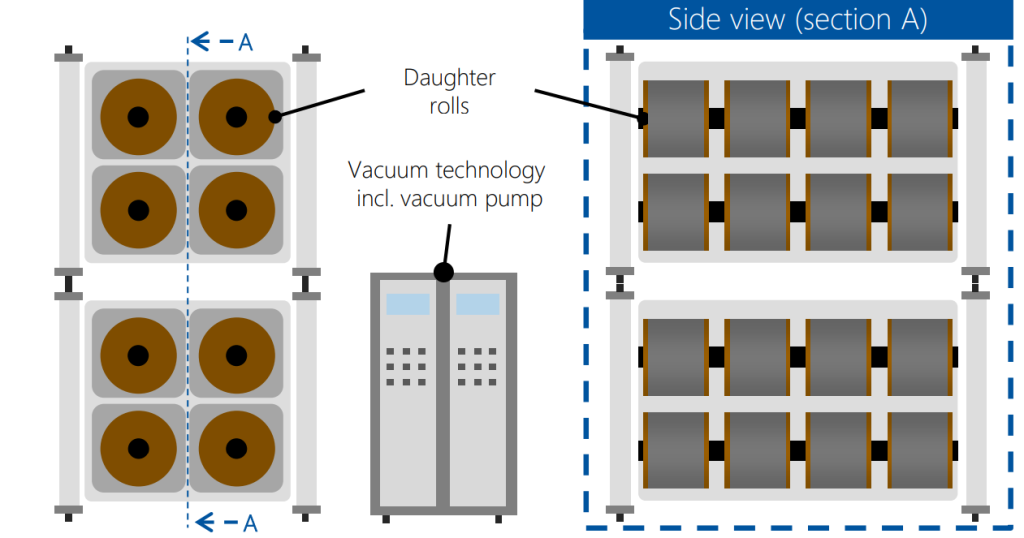
Process Parameters
- Drying Temperature: 60°C – 150°C
- Vacuum Levels: 0.07 – 1000 mbar
- Drying Time: 12 – 30 hours
Manufacturers use chamber-based drying for precision or continuous drying for high-volume production.
Cell Assembly (Stage 2)
Cell assembly transforms prepared electrodes into functional battery cells. This stage involves stacking or winding electrodes, welding tabs, sealing cases, and filling electrolyte. Precise alignment, minimal contamination, and strong welds ensure reliable battery performance.
Electrode Stacking or Winding
Battery design determines whether electrodes are stacked or wound. Both methods impact energy density, manufacturing speed, and mechanical stability.
Stacking (Used in Pouch Cells)
- Provides higher energy density for lightweight applications.
- Z-folding: Separators fold in a zigzag pattern, alternating anodes and cathodes.
- Single-sheet stacking: Electrodes are placed one by one for precise alignment.
Winding (Used in Cylindrical & Prismatic Cells)
- Jelly Roll Formation: Continuous anode, cathode, and separator layers are wound tightly.
- Ensures uniform pressure distribution, reducing internal resistance.
Process Parameters
| Parameter | Importance |
|---|---|
| Positioning Accuracy | ±200 µm for proper electrode alignment |
| Electrostatic Control | Prevents dust attraction and short circuits |
Tab Welding & Terminal Connections
Electrodes need secure electrical connections to external terminals. Tab welding ensures strong conductivity while minimizing heat damage.
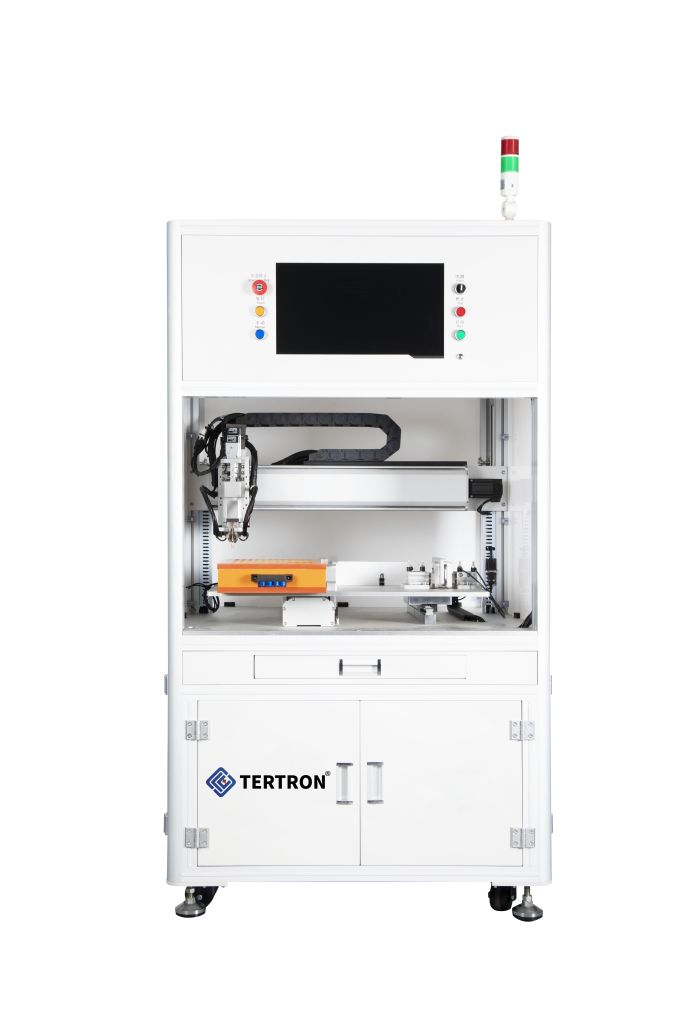
Welding Methods
- Ultrasonic Welding: Uses high-frequency vibrations, producing low thermal stress.
- Laser Welding: Precise and high-speed, ideal for high-production environments.
Process Parameters
- Low thermal stress prevents material degradation.
- High fatigue resistance ensures long-term durability.
A well-executed weld reduces internal resistance, improving power output and battery life.
Cell Housing & Case Sealing
Cell type dictates the housing material and sealing method. Proper sealing prevents leaks, enhances durability, and maintains structural integrity.
Pouch Cells
- Use aluminum laminate films to maintain flexibility and light weight.
- Sealed using gas-tight impulse sealing to prevent electrolyte leakage.
Cylindrical & Prismatic Cells
- Enclosed in rigid metal casings for mechanical strength.
- Resistance welding (anode) and laser welding (cathode) ensure secure connections.
Airtight sealing maintains electrolyte stability and extends battery life.
Electrolyte Filling
Electrolyte enables ion transport between anode and cathode. Controlled filling prevents contamination, ensuring stable electrochemical performance.
Filling Process
- Vacuum Injection: Prevents air bubbles and moisture contamination.
- Capillary Wetting: Ensures uniform electrolyte distribution throughout the cell.
Process Parameters
| Parameter | Importance |
|---|---|
| Dosing Accuracy | Prevents overfilling or underfilling |
| Air & Moisture Exclusion | Protects electrolyte from degradation |
| Capillary Wetting | Ensures full electrode saturation |
Once filled, cells move to final sealing before the formation process.
Cell Finishing & Testing (Stage 3)
Cell finishing ensures lithium ion batteries achieve optimal performance, stability, and safety before shipment. This stage includes roll pressing, formation, degassing, aging, and final quality testing.
Roll Pressing (Pouch Cells)
Pouch cells undergo roll pressing to evenly distribute the electrolyte across electrodes. Proper absorption enhances battery efficiency and lifespan.
- Servo-motor driven precision pressing applies consistent pressure.
- Reduces gas pockets that may form during electrolyte filling.
This step is critical for preventing dry spots, which can lead to performance inconsistencies.
Formation (Initial Charging & SEI Formation)
The first charge cycle activates the battery’s chemistry, forming a Solid Electrolyte Interphase (SEI) on the anode. This protective layer prevents further degradation.
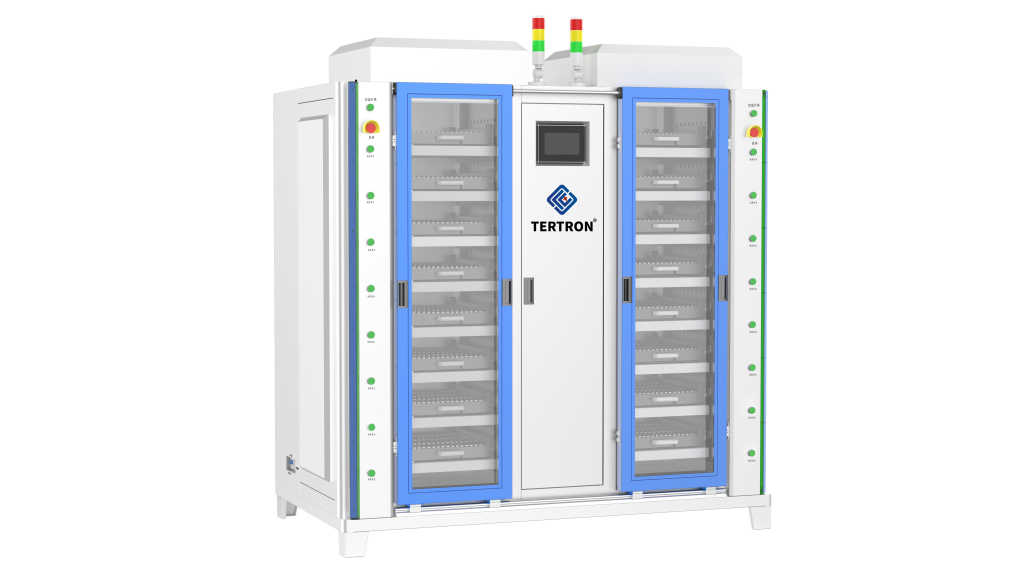
Process Parameters
| Parameter | Specification |
|---|---|
| Charge Rate | 0.1C – 0.5C |
| Formation Duration | Up to 24 hours |
- Controlled voltage and current ensure proper SEI formation.
- Pouch cells may be pressurized to maintain uniformity and prevent swelling.
Formation stabilizes the battery, enhancing cycle life and safety.
Degassing
Gas buildup occurs during formation charging, particularly in pouch cells. Removing trapped gases improves battery integrity.
- Vacuum chamber degassing punctures gas bags to release excess gas.
- Final sealing ensures a leak-proof battery.
This step prevents swelling and deformation, ensuring reliable long-term performance.
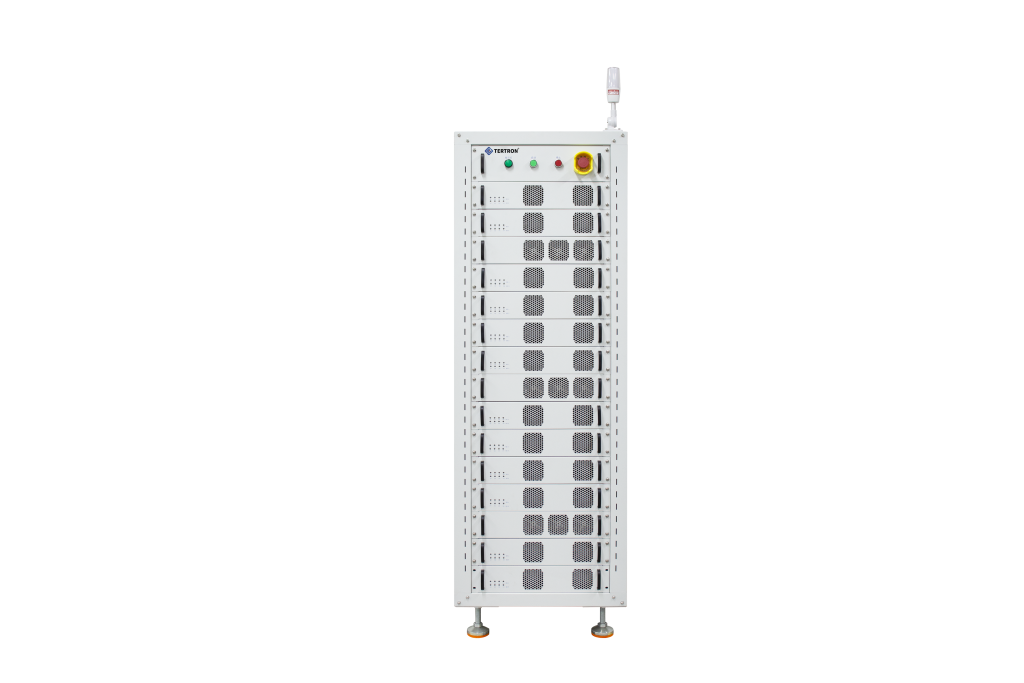
Aging Process
Cells are stored for up to three weeks to stabilize performance and detect early failures. Temperature-controlled conditions accelerate chemical balancing.
Aging Methods
- High-Temperature Aging (HT): 30°C – 50°C
- Normal Temperature Aging (NT): ~22°C
Aging allows manufacturers to monitor self-discharge rates and verify battery consistency before final testing.
End-of-Line (EOL) Testing
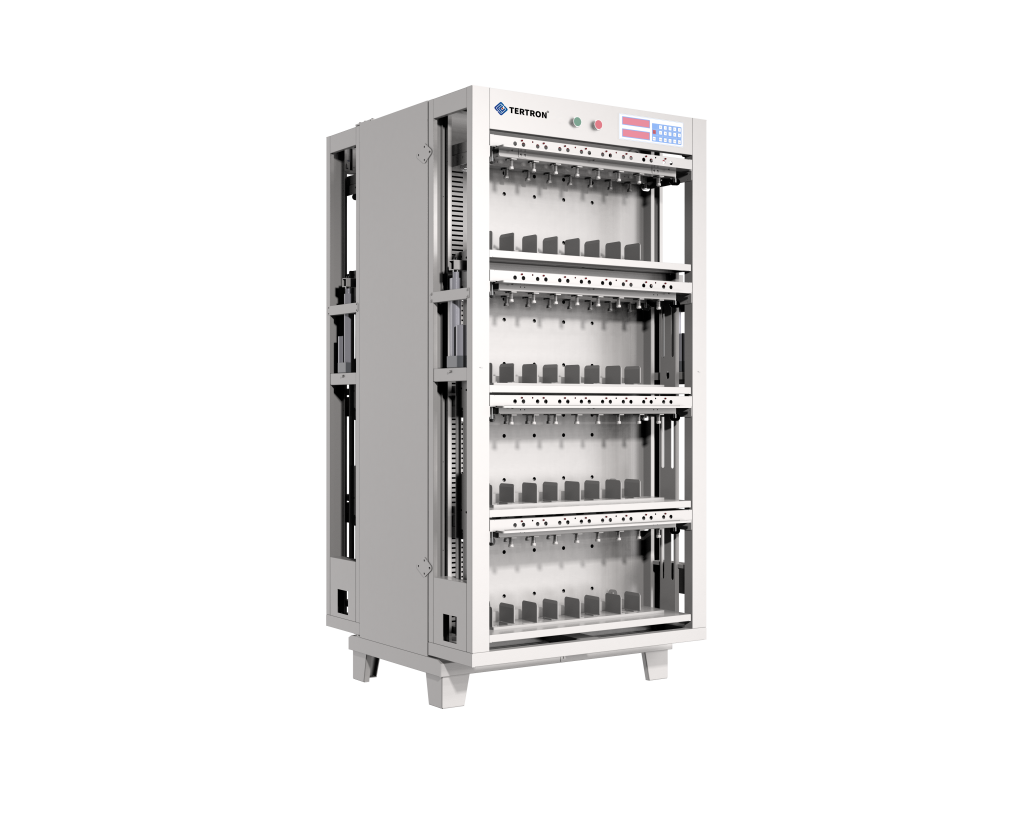
Final inspections confirm quality, safety, and capacity before shipping. Batteries undergo multiple tests to ensure they meet performance standards.
Testing Methods
- Open-Circuit Voltage (OCV) Monitoring: Checks voltage stability.
- Internal Resistance Measurement: Identifies energy loss and defects.
- Capacity Grading and Classification: Sorts batteries by performance tiers.
Only fully tested and approved cells move to final packaging and distribution.
Battery Pack Assembly (Final Stage)
Battery pack assembly transforms tested cells into fully functional battery modules. This stage ensures safe operation, energy efficiency, and long-term durability. It involves sorting, integrating protective circuits, encapsulating, and verifying quality before shipment.
Cell Sorting & Grouping
Not all cells perform identically. Sorting ensures uniform battery performance by grouping cells with similar characteristics.
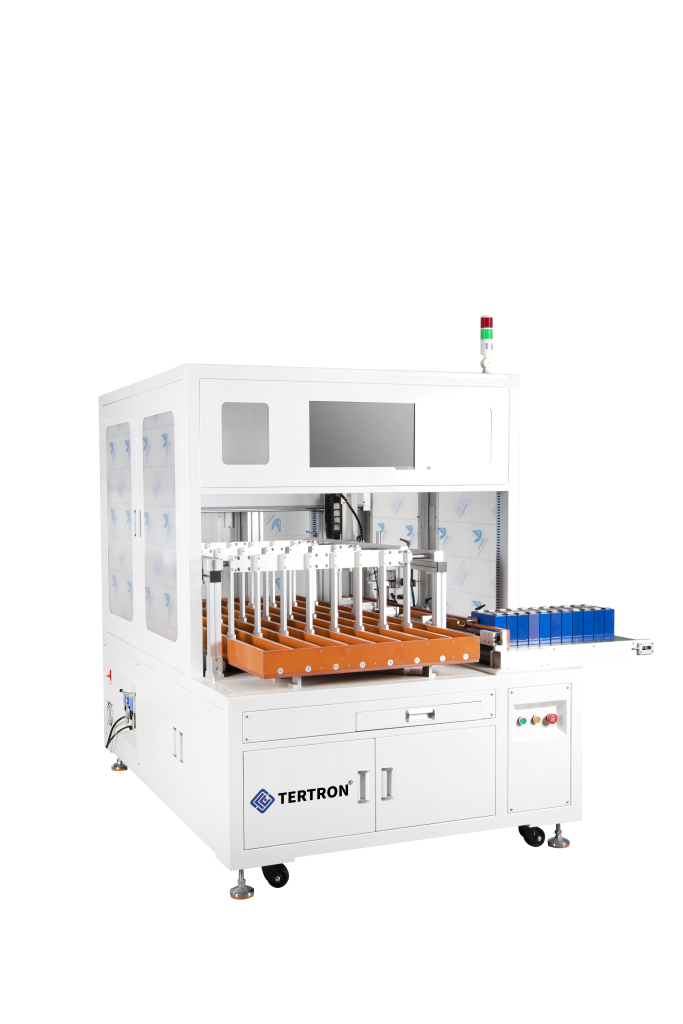
- Voltage Matching: Prevents imbalances that cause early degradation.
- Capacity Matching: Ensures all cells discharge evenly for consistent energy output.
- Internal Resistance Matching: Reduces power loss, improving efficiency.
A balanced pack enhances cycle life and prevents overheating issues.
PCB/PCM Integration
Safety is critical in lithium ion battery packs. A Battery Management System (BMS) or Protection Circuit Module (PCM) regulates power flow and prevents failures.
Key Functions of BMS/PCM:
- Overcharge Protection: Prevents excessive voltage buildup.
- Over-discharge Prevention: Ensures stable energy supply, avoiding deep discharge damage.
- Short Circuit & Thermal Protection: Detects faults and shuts down when necessary.
This step ensures safe and reliable operation in consumer electronics, EVs, and energy storage.
Encapsulation & Insulation
Encapsulation protects cells from external damage, moisture, and electrical interference.
- Rubber Coating: Enhances shock resistance.
- Glue Wrapping: Provides additional insulation, preventing short circuits.
A well-sealed battery improves durability, reducing failures due to mechanical stress or environmental factors.
Final Pack Testing
Every battery pack undergoes rigorous final inspections before shipping. Quality checks confirm safety, performance, and compliance with regulations.
Testing Criteria:
- Capacity & Voltage Verification: Confirms energy output meets specifications.
- Thermal Testing: Ensures stability under different temperature conditions.
- Shipping Readiness Check: Confirms packaging and labeling meet international safety standards.
Only certified packs move to distribution, ensuring reliability in real-world applications.
Inspection & Testing Methods
Lithium battery manufacturing involves rigorous quality control procedures to ensure the reliability and safety of the final product. Several critical testing methods are employed at various stages of the production process to identify defects and maintain consistent performance across battery cells.
Insulation Resistance Testing
Preventing internal short circuits is critical for battery safety. Insulation resistance testing ensures proper separation between the anode, cathode, and casing.
- Detects contamination, electrode misalignment, or insulation breakdown.
- Uses high-voltage probes to measure resistance levels.
- Ensures compliance with safety regulations for electronic and industrial applications.
A properly insulated cell reduces fire risks and thermal runaway events.
Weld Quality Testing
Battery connections must withstand mechanical stress and electrical loads. Poor welding leads to high resistance, overheating, and performance degradation.
- Ultrasonic and laser welds undergo microscopic inspection.
- Pull strength tests assess mechanical durability.
- Electrical resistance checks verify conductivity.
A well-executed weld ensures low energy loss and long-lasting battery operation.
Charge/Discharge Testing
Evaluating the behavior of battery cells under various charging and discharging conditions is crucial for determining their performance and safety. Charge/discharge testing involves:
- Monitoring voltage and temperature fluctuations
- Analyzing the data to detect anomalies
- Ranking batteries based on their performance
This testing helps identify cells with suboptimal performance or potential safety hazards.
Internal Resistance Measurement
Higher internal resistance leads to power loss, heat generation, and reduced efficiency. Measuring resistance:
- Identifies cell aging and potential failures.
- Helps match cells in battery packs for balanced performance.
- Uses AC impedance or DC pulse testing for precision.
Open-Circuit Voltage (OCV) Testing
The open-circuit voltage (OCV) of a battery cell is its voltage when not connected to any load. OCV testing is used to:
- Detect self-discharge issues
- Identify cells with internal defects
- Monitor the stability of the cell over time
Cells with abnormal OCV values are flagged for further investigation or removal from the production line.
Multi-Channel Testing for Efficiency
Testing thousands of cells individually is inefficient. Multi-channel systems allow parallel testing to speed up quality checks.
- Simultaneously tests voltage, capacity, and resistance on multiple cells.
- Reduces production bottlenecks, improving throughput and efficiency.
- Identifies defective units before they enter pack assembly.
This method ensures high-volume battery production meets strict quality standards.
| Testing Method | Purpose |
|---|---|
| Insulation Resistance Testing | Prevent internal shorts between components |
| Weld Quality Testing | Ensure durable, low-resistance connections |
| Charge/Discharge Testing | Evaluate voltage and temperature under load |
| Internal Resistance Measurement | Assess degradation and efficiency |
| Open-Circuit Voltage Testing | Detect self-discharge and identify defective cells |
| Multi-Channel Testing | Optimize production time through parallel cell testing |
Challenges in Lithium Ion Battery Manufacturing
Lithium ion battery production faces technical, economic, and environmental challenges. Manufacturers must balance cost, safety, and sustainability while ensuring high-quality products.
Safety Risks
Battery chemistry poses fire and explosion hazards if not properly managed.
- Thermal runaway: Overheating can cause chain reactions, leading to fires.
- Short circuits: Manufacturing defects or separator failures can trigger dangerous malfunctions.
- Strict process control is required to monitor temperature, voltage, and assembly conditions.
Advanced battery management systems (BMS) help prevent overcharging and overheating, improving safety.
High Production Costs
Raw materials and energy-intensive processes drive up production expenses.
- Lithium, Cobalt, Nickel: Limited supply and geopolitical factors affect pricing.
- Manufacturing requires high-precision machinery and controlled environments.
- Drying, formation charging, and quality testing consume significant electricity.
Efforts to reduce costs include alternative materials, process automation, and energy recovery systems.
Stringent Quality Control Requirements
Battery performance depends on consistency. Even minor defects impact safety and lifespan.
- Electrode uniformity prevents uneven charging.
- Weld integrity ensures strong electrical connections.
- Moisture control avoids electrolyte contamination.
High rejection rates increase production costs, requiring automated inspection systems to detect issues early.
Environmental & Sustainability Concerns
Lithium-ion battery production relies on toxic chemicals and generates waste materials.
- Solvents used in electrode processing contribute to pollution.
- Battery disposal creates hazardous waste.
- Mining for lithium, cobalt, and nickel harms ecosystems and water sources.
Sustainable solutions include:
- Recycling programs for recovering metals and raw materials.
- Dry electrode coating to reduce solvent use.
- Solid-state batteries for improved energy efficiency and safety.
Raw Material Supply Chain Issues
Dependence on a few global suppliers creates price volatility and supply chain disruptions.
- Lithium reserves are concentrated in Chile, China, and Australia.
- Cobalt mining relies heavily on Africa, leading to ethical and logistical challenges.
- Trade restrictions and geopolitical tensions affect raw material availability.
To mitigate risks, manufacturers explore:
- Alternative battery chemistries (e.g., lithium iron phosphate, sodium-ion).
- Recycled materials to reduce reliance on new mining.
- Localized production to minimize transportation costs and supply chain delays.
Innovations & Future Trends in Lithium-Ion Battery Manufacturing
Lithium-ion battery production is evolving. New materials, automation, and sustainable practices drive efficiency, safety, and cost reduction. These innovations shape the next generation of energy storage.
Dry Coating Technologies
Traditional electrode manufacturing uses toxic solvents, leading to waste and high energy consumption. Dry coating eliminates solvents, offering a cleaner, more sustainable process.
- Lower environmental impact: No solvent recovery systems required.
- Faster production: Reduces drying time, increasing throughput.
- Cost savings: Less energy used in drying and waste management.
This technology reduces carbon footprint while improving battery performance.
Advanced Testing & AI-Based Quality Control
Manufacturers adopt AI-driven inspection systems to improve defect detection and reduce waste.
- Machine learning algorithms analyze electrode coatings and welding quality.
- Automated optical and X-ray systems detect inconsistencies in cell assembly.
- Predictive analytics forecast battery failures, optimizing sorting and rejection rates.
AI-powered testing increases efficiency, lowers costs, and enhances reliability.
Next-Generation Battery Materials
Innovations in materials boost energy density, safety, and lifespan.
- Solid-State Electrolytes: Replace liquid electrolytes, reducing leakage risks and improving stability.
- Silicon Anodes: Store more lithium ions than graphite, increasing energy density.
These advancements enable lighter, longer-lasting batteries for EVs, portable electronics, and grid storage.
High-Speed Manufacturing Techniques
Faster production reduces costs and meets growing demand.
- Infrared Heating: Speeds up drying, reducing energy waste.
- Simultaneous Multi-Layer Coating: Applies anode and cathode coatings together, improving alignment and efficiency.
These methods enhance productivity without sacrificing quality.
Recycling & Circular Economy
Sustainability drives battery recycling and reuse. Recovering critical materials reduces reliance on mining.
- Advanced extraction processes recover lithium, cobalt, and nickel from used batteries.
- Second-life applications repurpose EV batteries for energy storage in solar and grid systems.
A circular economy minimizes waste and environmental impact, ensuring long-term sustainability.
Conclusion
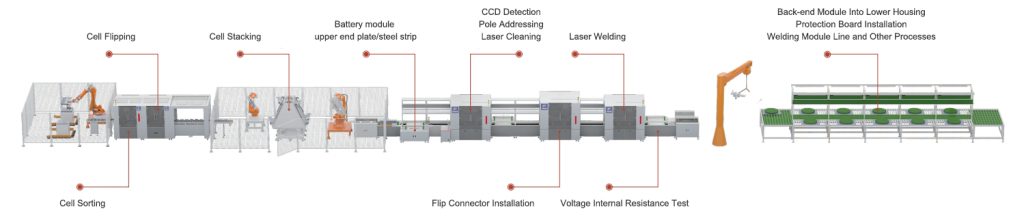
Lithium-ion battery production follows a precise, multi-stage process. It includes electrode manufacturing, cell assembly, and finishing. Each step ensures efficiency, safety, and performance.
Advancements in materials, automation, and energy-efficient techniques improve battery lifespan and sustainability. AI-driven quality control, dry coating, and solid-state electrolytes lead to cost-effective, eco-friendly solutions.
The battery industry moves toward faster production, better recycling, and reduced reliance on rare materials. These changes drive a greener, more efficient energy future.
Looking for reliable lithium battery production equipment? Tertron provides high-precision machines to improve efficiency and quality. Contact Tertron today to learn how their solutions can meet your manufacturing needs. Get in touch now for more details.