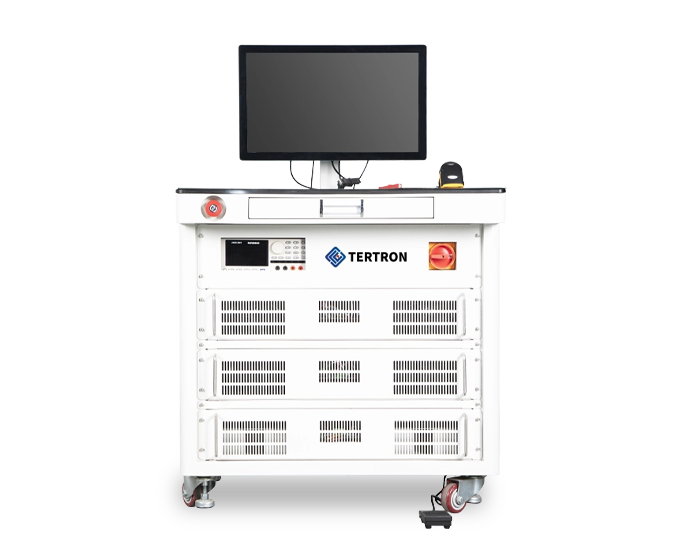

Lithium Battery Machine
Top lithium-ion battery manufacturing equipment suppliers in China
Tertron designs and manufactures lithium-ion battery machines to help companies efficiently produce high-quality lithium-ion batteries. We offer a wide range of lithium-ion battery equipment that incorporate the latest technologies and meet stringent industry standards. Our team can also customize lithium battery production solutions based on your specific requirements and production goals.

Supply"Turnkey"Project service

24/7 after-sales support, prompt issue resolution

Provide complete solutions and customized services

High quality pre-sales and after-sales service
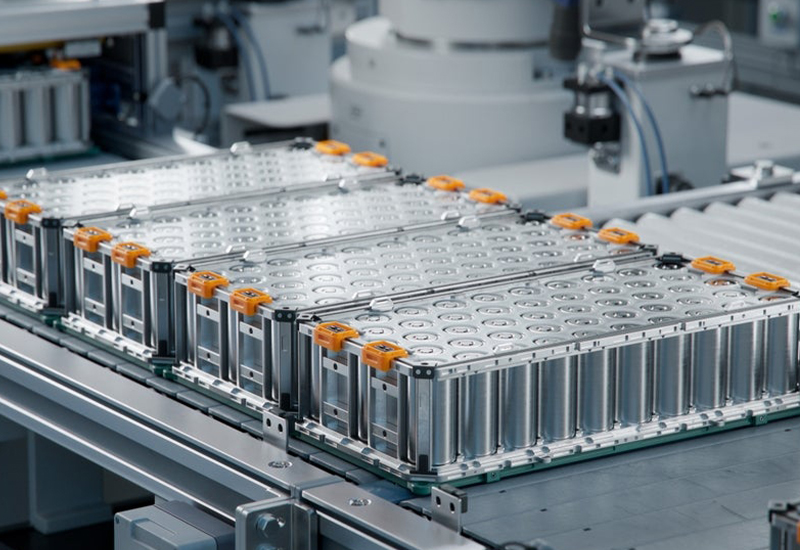
Lithium-ion Battery Production and Assembly Line Solution
Tertron sells advanced lithium-ion battery manufacturing systems, including production lines, assembly lines, and formation systems. These modern systems are designed based on principles of efficiency, safety, and quality considerations required in the most demanding battery production. Here, we will describe each solution’s salient features and advantages.
Li-ion Battery Production Line
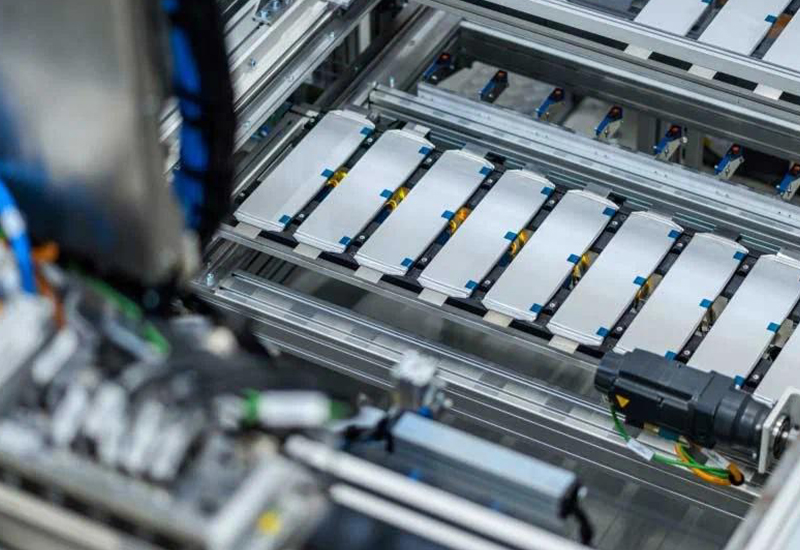
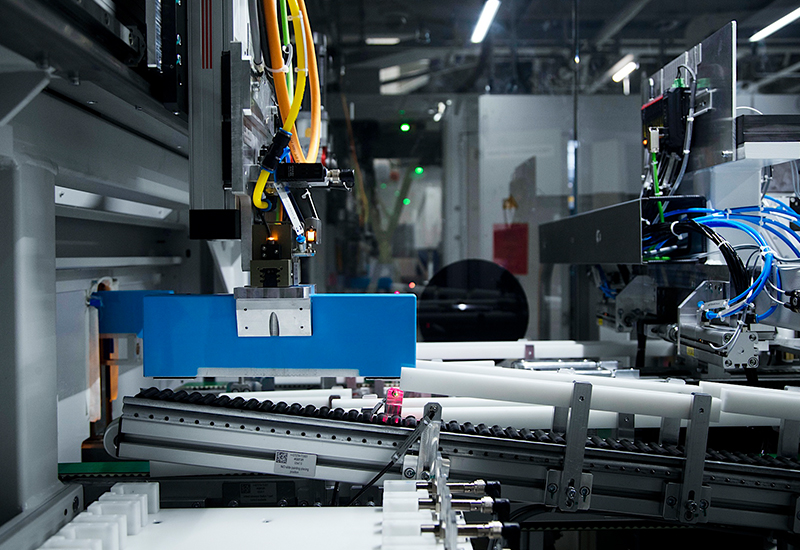
Tertron's Li-ion Battery Production Line features intelligent robots and IT manufacturing technology for flexible, smart production. The system monitors the entire line, controls the process, and replaces manual labor with robots. It utilizes RFID transportation, integrates human-machine interfaces, enables PACK process adjustment, and provides real-time production data.
Lithium-ion Battery Assembly Line
Tertron's Lithium Ion Battery Pack Assembly Line prioritizes safety, efficiency, and precision. It features protective structures, smooth material feeding, and compatibility with various module sizes. With a capacity of ≥10PPM, excellent rate of ≥99.8%, and failure rate of ≤2%, it ensures high-quality output and reliable performance.
Li-ion Battery Cell Formation System
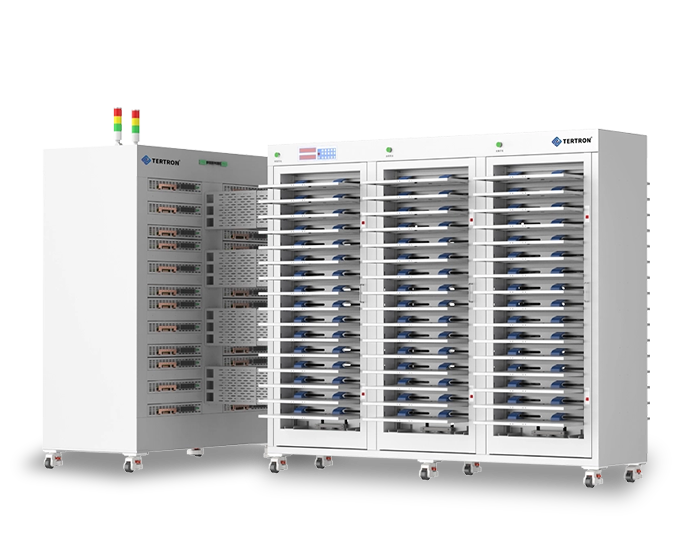
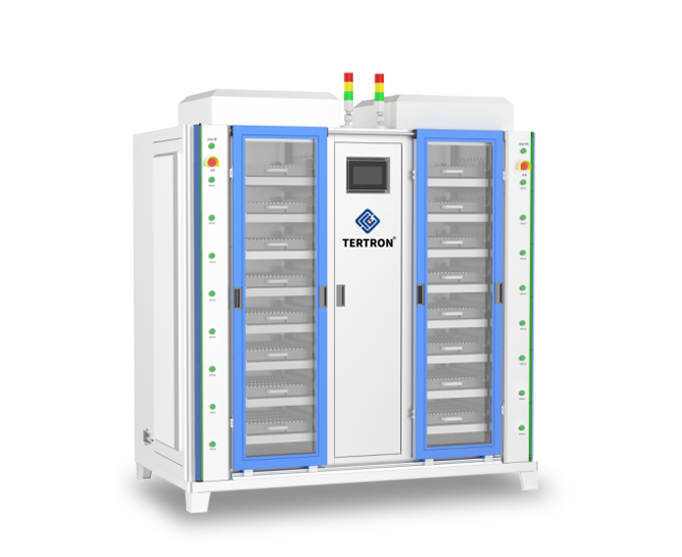
Tertron's Li-ion Battery Cell Formation System offers reliable testing, high yields, and energy recycling. It provides full or semi-automated solutions with multiple safety features. The system supports various formation processes, utilizes proven technologies, and includes abnormality sensing. It features a modular design, efficient layout, and data analysis for process improvement.
Lithium-ion Battery Testing Equipments Manufactured By Tertron
Tertron offers a range of advanced equipment for lithium-ion battery testing and formation. Our capacity grading machines, aging equipment, and formation systems provide precise, customizable, and efficient solutions.
Lithium ion Capacity Grading Machine
Tertron's Lithium Ion Capacity Grading Machine features an integrated, modular design for adaptability and maintenance. Each channel has an independent CCCV source to prevent interference. The system is compatible with various battery models and employs high-speed transmission for efficient testing. It also offers digitized data management and integration with MES, ESOP, and management dashboards.
Li-ion Battery Aging Equipment
Tertron's Li-ion Battery Aging Equipment conducts customizable cycle tests to evaluate battery performance. It allows parameter setting, offers editable test steps, and provides automatic network connectivity. The system uses a MYSQL database for secure data storage and features a modular design with single-channel control for flexible, precise testing.
Lithium Battery Formation Equipment
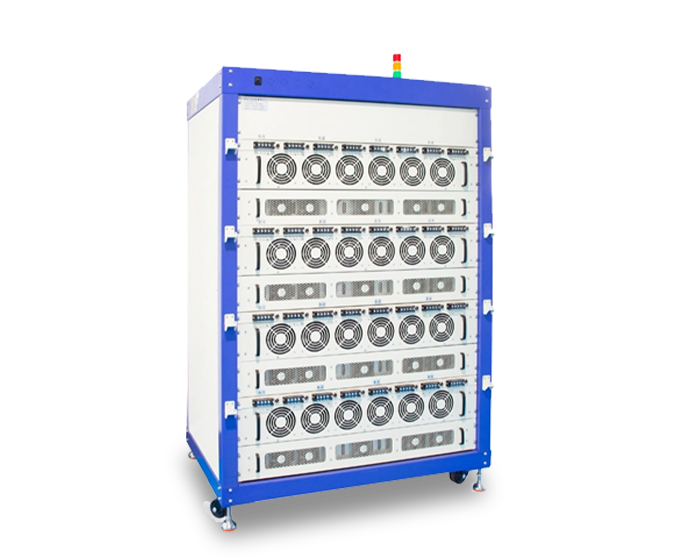
Tertron's Lithium Battery Formation Equipment offers independent, stable current and voltage sources for each channel. It provides control functions, high accuracy, and abnormality detection. The system is scalable, allowing easy expansion by adding channels or cabinets. It also enables remote monitoring, control, and diagnostics for efficient management.
High-Quality Lithium Battery Assembly Equipment
Tertron provides a complete series of advanced machines for lithium-ion battery manufacturing, sorting, stickering, spot welding, and integrated testing equipment. Such machines can precisely, accurately and custom-tailor solutions to optimize your batteries’ production process.
Li-ion Batter Sorting Machine
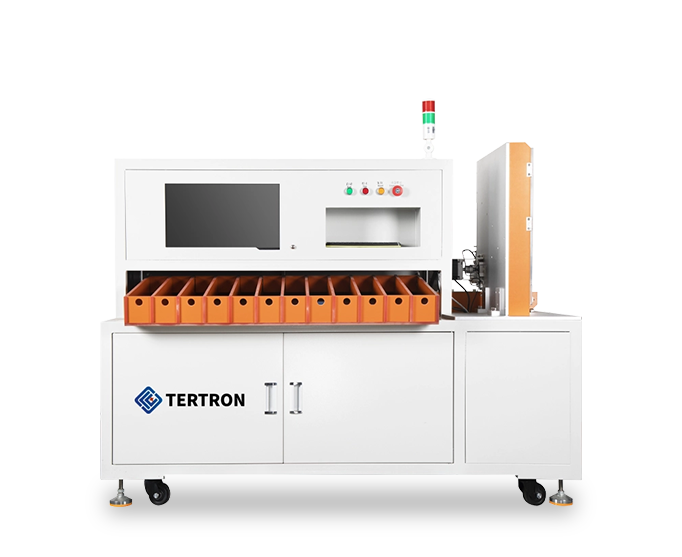
Tertron's Li-ion Battery Sorting Machine precisely sorts batteries based on voltage and internal resistance. It features integrated feeding and collecting, full material alerts, and USB data storage. Customers can set sorting parameters, and the machine integrates with other systems to boost efficiency and reduce labor costs.
Lithium Battery Sticker Machine
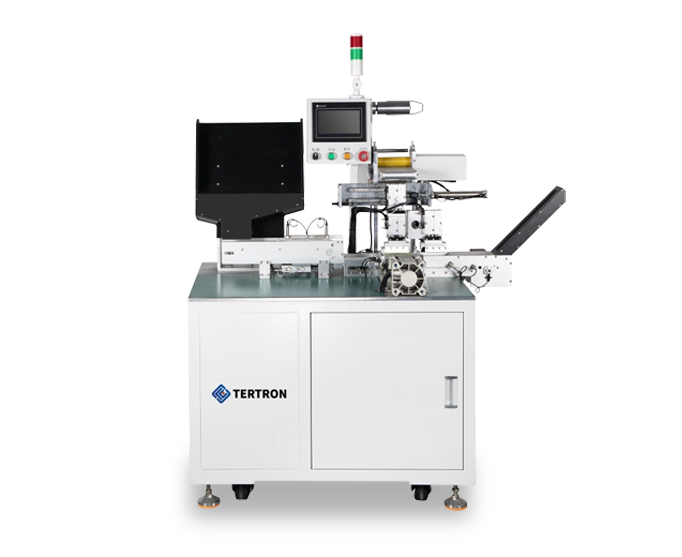
Tertron's Lithium Battery Sticker Machine accommodates various cylindrical battery sizes. It features a fully automated sticker application system, streamlined material management, and a space-saving design. The machine is mobile for easy maintenance and reconfiguration. It utilizes PLC and touch screen control for easy parameter display and adjustment.
Lithium-ion Battery Spot Welding Machine
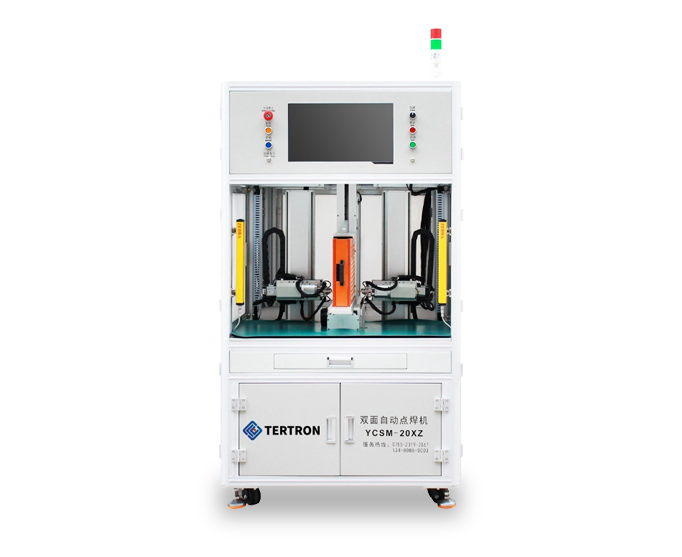
Tertron's Lithium Ion Battery Spot Welding Machine features a user-friendly interface and continuous output mode for efficient operation. It allows current limit settings, servo motor upgrades for fast and stable welding, and adjustable power settings for quality control. The machine provides clear alarm prompts to ensure optimal performance and maintenance.
Lithium-ion Battery Integrated Testing Machine
Tertron's Lithium Ion Battery Integrated Testing Machine offers multiple modes and customizable functions for flexible testing. It features comprehensive battery pack tests, fast and accurate testing with a 32-bit ARM processor and 16-bit AD converter, and supports various applications. The system combines PC hardware, independent development cards, motors, pneumatics, and sensors for coordinated operation.
One-Stop Services
Extend Your Reach: Your Professional Lithium Battery Machine manufacturer in China
Tertron is committed to delivering exceptional service and support to our customers. From customized solutions to comprehensive assistance, we strive to exceed expectations at every stage. Let’s explore the key aspects of our service offerings and how they can benefit your business.

Customized Solutions
We deliver high-quality OEM and ODM solutions, customizing battery packs to your precise requirements. Our flexible approach allows you to specify size, shape, material, and other features, ensuring a product that precisely meets your needs.

Comprehensive Support
With comprehensive support including on-site installation and training for smooth setup, as well as responsive 24/7 technical assistance, we ensure any issues or questions are promptly resolved, providing reliable, round-the-clock service and optimal operation.

Competitive Pricing
We provide superior value by delivering higher-quality products at the same price point, and we offer cost-saving solutions by matching competitors’ offerings at lower costs, ensuring your budget is maximized without compromising quality.

Quality Assurance
All our products are guaranteed new and fully compliant with specified quality and performance requirements. We back our offerings with a one-year warranty and comprehensive, lifelong maintenance, ensuring reliability and peace of mind.

Global Service
With comprehensive global support, our technical specialists offer overseas assistance while providing 24/7 online after-sales service, ensuring reassurance and prompt help wherever you are located.

Fast Delivery
Ensuring timely shipping, we dispatch standard products within 3-5 days and customize items within 15-30 days, fulfilling orders promptly and maintaining fast, reliable delivery.
Frequently Asked Questions
Want to know more about Tertron Lithium Battery Machine
What is a lithium battery machine?
A lithium battery machine is a piece of equipment used in the production, manufacturing and testing of lithium-ion batteries. It automates and streamlines various processes involved in battery assembly, such as stacking, welding, capacity grading, aging, formation, sorting, sticking, and packaging.
What's the difference between a lithium battery and a regular battery?
Lithium batteries and regular alkaline batteries differ primarily in their chemical composition, voltage levels, capacity, lifespan, and applications. Lithium batteries often have a composition that includes lithium cobalt oxide or lithium iron phosphate, providing a voltage of 1.5V up to 3.0V, making them suitable for more powerful devices. In contrast, alkaline batteries use manganese dioxide and zinc, with a voltage of about 1.5V, typically used in low-power devices.
In terms of lifespan and rechargeability, lithium batteries are generally rechargeable and can last 4000 to 10000 cycles, making them cost-effective over time despite a higher upfront cost. Alkaline batteries are mostly single-use, with a lifespan of approximately 300 cycles.
In performance terms, lithium batteries maintain their voltage better throughout their discharge cycle, supporting high-drain devices like cameras and medical equipment, while alkaline batteries are more suitable for lower-drain applications, such as remote controls or flashlights. Lithium batteries are lighter and more environmentally friendly due to their rechargeable nature and higher recyclability.
What are the key components of a lithium battery machine?
Battery Formation System comprises mainly of a computer system, communication interface, control software, and cabinet for detecting batteries. The cabinet for detecting batteries carries a fixture that houses a plate body of the fixture, charging, constant current and constant voltage source discharge constant current source, storage control circuit, current & voltage sampling circuits, main control CPU, data memory, microcontroller programming and control panel.
What applications benefit most from lithium batteries?
Lithium batteries are highly beneficial for a wide range of applications due to their lightweight and high energy density characteristics. They are prominently used in various sectors, including:
– **Smartphones:** Lithium-ion batteries power most modern smartphones, providing a quick charge and long-lasting power essential for daily use.
– **Electric Vehicles (EVs):** Brands like Tesla utilize lithium-ion technology for their electric cars, making them operable and significantly enhancing their range and efficiency.
– **Solar Energy Systems:** Lithium batteries store surplus energy generated by solar panels, ensuring a stable energy supply even when sunlight is unavailable.
– **Medical Devices:** Crucially used in pacemakers due to their reliable lifespan and efficiency, lithium batteries are life-supporting in medical technology.
– **Mobility Aides:** Electric wheelchairs and mobility scooters use lithium batteries for extended operational times and reliability.
– **Emergency Power Systems:** They offer reliable and quick backup power, making them invaluable in critical areas such as healthcare facilities and data centers.
How do I choose the right lithium battery machine for my production needs?
When selecting a lithium battery machine, consider factors such as your desired production capacity, the types and sizes of batteries you plan to produce, your budget, and the level of automation you require. Consult with manufacturers and compare specifications to find the most suitable machine for your needs.
What is the typical production capacity of a lithium battery machine?
The production capacity of lithium battery machines can vary widely depending on the model and configuration. Some machines can produce several hundred batteries per hour, while high-end systems can output thousands of batteries in the same timeframe. Capacity is often measured in units per hour (UPH).
How do I ensure the quality of batteries produced by a lithium battery machine?
Quality control is crucial in battery production. Lithium battery machines often incorporate various quality control features, such as in-line testing, visual inspection systems, and data logging. Implementing strict quality assurance procedures, regular maintenance, and operator training can help maintain high battery quality.
How do I troubleshoot common issues with lithium battery machines?
Common issues with lithium battery machines include misaligned components, sensor malfunctions, and software errors. Consult the machine’s user manual or contact the manufacturer’s support team for specific troubleshooting steps. Regular maintenance and prompt issue resolution can minimize downtime and ensure smooth operation.
What are the maintenance requirements for lithium battery machines?
Lithium battery machines require regular maintenance to ensure optimal performance and longevity. This may include tasks such as cleaning, lubrication, calibration, and replacement of wear parts. Follow the manufacturer’s recommended maintenance schedule and procedures to keep your machine in top condition.