
Lithium-ion batteries power everything from laptops to electric vehicles. But not all batteries are the same.
Two of the most popular sizes are 18650 and 21700. Each has its own strengths and weaknesses.
Which one is better for your needs? That depends on factors like capacity, energy density, and performance.
In this post, we’ll compare 21700 vs 18650 batteries in detail. You’ll learn about their key differences, pros and cons, and best applications.
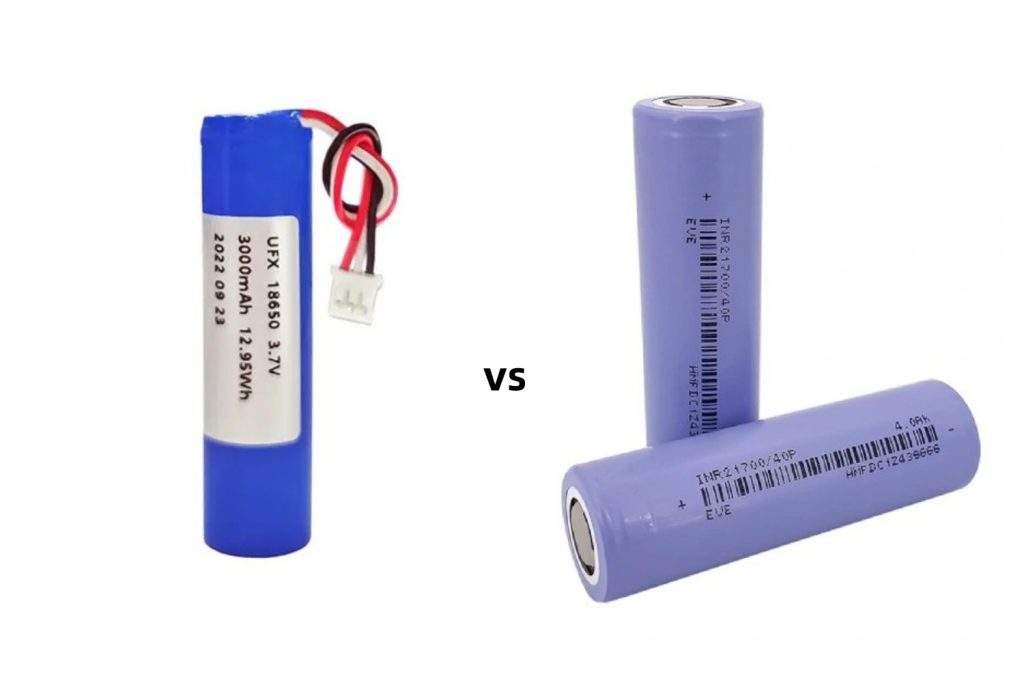
What are 18650 Batteries?
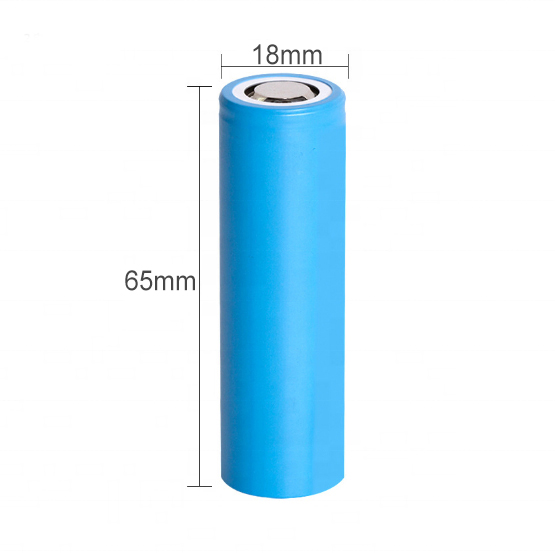
An 18650 battery is a cylindrical lithium-ion cell with a diameter of 18mm and a length of 65mm. The “18650” designation comes from its physical dimensions: 18mm x 65mm, with a “0” at the end to indicate a cylindrical cell. This standardized size has become one of the most popular battery formats in the world.
A Brief History
The 18650 battery has a rich history that spans over two decades. It was first introduced by Sony in 1994, marking a significant milestone in the development of lithium-ion batteries. These cells quickly gained popularity due to their high energy density and reliable performance compared to other rechargeable battery technologies at the time.
In 2013, the 18650 battery underwent further optimization to meet the growing demands of modern electronics. These improvements enhanced its capacity, safety, and overall performance, solidifying its position as a go-to choice for many applications.
Advantages of 18650 Batteries
- Compact size: One of the key advantages of 18650 batteries is their compact size. They are small enough to fit in a wide range of portable devices, from laptops and power banks to flashlights and e-cigarettes. This versatility has contributed to their widespread adoption across various industries.
- Wide availability: Thanks to their long history and widespread use, 18650 batteries are readily available from numerous manufacturers. This broad availability ensures a stable supply chain and competitive pricing, making them an attractive option for many applications.
- Versatility in applications: 18650 batteries are used in a diverse array of devices and industries. Some common applications include:
- Consumer electronics: Laptops, e-readers, portable speakers, and more
- Flashlights and headlamps: High-performance lighting tools for outdoor activities and work
- E-cigarettes and vaping devices: Powering the heating elements in vaporizers
- Medical devices: Portable oxygen concentrators, surgical tools, and other medical equipment
Disadvantages of 18650 Batteries
Despite their many advantages, 18650 batteries do have some limitations:
- Limited capacity compared to newer battery sizes: As battery technology has advanced, newer formats like the 21700 have emerged, offering higher capacities in a similar footprint. While 18650 batteries typically have capacities ranging from 2500mAh to 3500mAh, 21700 cells can reach capacities of 4000mAh to 5000mAh or more.
- Lower power output than larger batteries: The smaller size of 18650 batteries also limits their power output compared to larger formats. In high-drain applications like power tools or electric vehicles, 18650s may not be able to deliver the same level of performance as their larger counterparts.
The table below summarizes the key specifications of 18650 batteries:
| Specification | Value |
|---|---|
| Diameter | 18mm |
| Length | 65mm |
| Typical Capacity | 2500mAh – 3500mAh |
| Nominal Voltage | 3.6V – 3.7V |
What are 21700 Batteries?
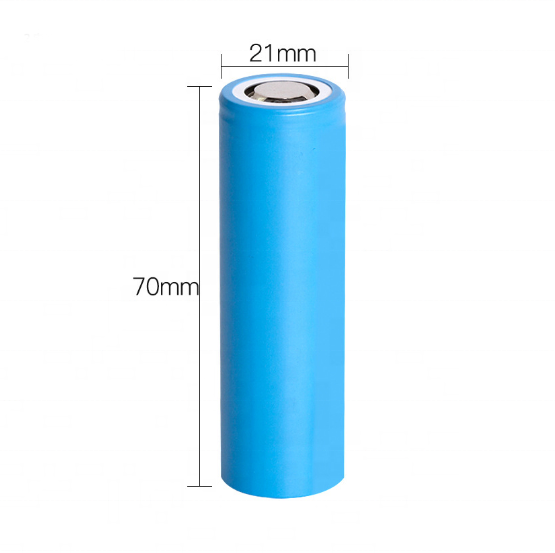
A 21700 battery is a cylindrical lithium-ion cell that measures 21mm in diameter and 70mm in length. Its name comes from these dimensions: “21” for the diameter, “70” for the length, and a “0” to denote a cylindrical shape. This standardized size has quickly gained popularity in applications demanding high capacity and power.
Development of 21700 Batteries as an Improvement Over 18650s
Tesla and Panasonic introduced 21700 batteries in 2017 to replace 18650s in electric vehicles. The goal: increase energy density, improve efficiency, and reduce costs.
Compared to 18650 cells, 21700 batteries hold more energy per unit while maintaining similar voltage. Many manufacturers now adopt 21700 cells for better battery packs and high-drain devices.
Advantages of 21700 Batteries
✅ Higher Capacity Than 18650s
- 4,000mAh – 5,000mAh, a 50% increase over 18650’s 2,300mAh – 3,600mAh.
- Provides longer runtime for devices needing sustained power.
✅ Increased Power Output
- Handles higher discharge rates, ideal for high-drain applications.
- Enables faster charging and more efficient energy use.
✅ Improved Thermal Management
- Larger size allows better heat dissipation, reducing overheating risks.
- Enhances battery safety and lifespan, especially in electric vehicles.
| Feature | 21700 | 18650 |
|---|---|---|
| Capacity | 4,000 – 5,000mAh | 2,300 – 3,600mAh |
| Energy Density | ~300Wh/kg | ~250Wh/kg |
| Discharge Rate | Higher | Moderate |
| Heat Dissipation | Better | Standard |
Disadvantages of 21700 Batteries
❌ Larger Size May Not Fit in Devices Designed for 18650s
- 21mm × 70mm makes it too large for some existing battery compartments.
- Devices must redesign battery slots to accommodate the bigger cell size.
❌ Higher Cost Compared to 18650s
- Fewer manufacturers produce 21700s, leading to higher prices.
- Production costs remain high, but prices may decrease as adoption grows.
18650 vs 21700 battery
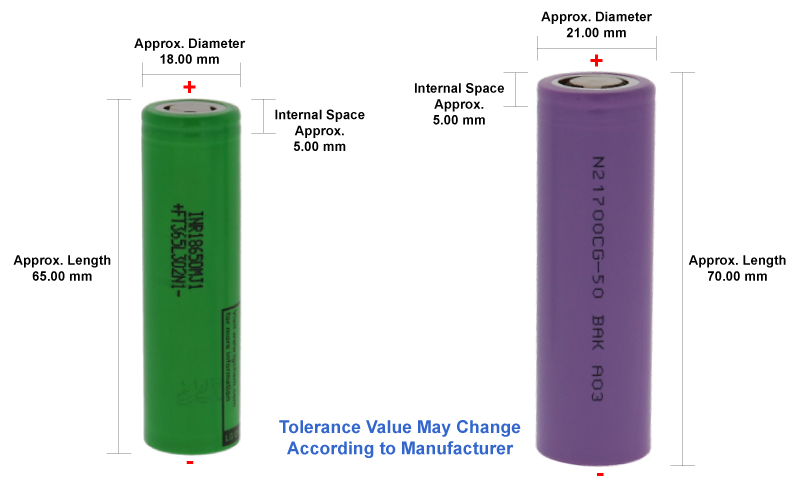
Both 21700 and 18650 batteries are widely used in electronics, power tools, and electric vehicles. While they share similar chemistry, their size, capacity, charge performance, and cost vary. Let’s examine their key differences in detail.
Size and Physical Characteristics
| Battery Type | Diameter | Length | Volume |
|---|---|---|---|
| 18650 | 18mm | 65mm | 16,532 mm³ |
| 21700 | 21mm | 70mm | 24,233 mm³ |
How Size Affects Performance
- 21700 is ~47% larger, allowing for higher capacity and power storage.
- Fewer 21700 cells are needed in battery packs, reducing complexity.
- Devices designed for 18650 may need adjustments to accommodate 21700 batteries.
Impact on Battery Pack Design
- Electric vehicles benefit from fewer, larger cells, reducing wiring complexity.
- Compact devices often stick to 18650 due to size constraints.
Capacity and Energy Density
| Feature | 21700 | 18650 |
|---|---|---|
| Capacity (mAh) | 4,000 – 5,000 | 2,300 – 3,600 |
| Energy Density (Wh/kg) | ~300 | ~250 |
| Runtime Efficiency | Higher | Lower |
Why Capacity Matters
- 21700 lasts longer, making it ideal for EVs and high-power tools.
- 18650 suits lower-drain devices like laptops and flashlights.
- Energy density is ~20% higher in 21700, meaning more power without increasing weight significantly.
Charge and Discharge Performance
| Feature | 21700 | 18650 |
|---|---|---|
| Charge Time | Faster (Supports higher current) | Slower |
| Discharge Rate | Higher (Better for high-drain devices) | Moderate |
| Voltage Stability | More stable under load | Drops faster |
How This Affects Real-World Use
- 21700 charges faster, handling higher input current.
- More power output, making it ideal for demanding applications.
- Voltage stability improves efficiency in high-drain electronics.
Heat Dissipation and Safety Features
| Feature | 21700 | 18650 |
|---|---|---|
| Heat Dissipation | Better | Moderate |
| Built-in Protection (BMS) | Common in high-end models | Available but less advanced |
| Overheating Risk | Lower | Higher in high-drain use |
Why Thermal Management Matters
- 21700 dissipates heat more effectively, reducing overheating risks.
- Better cooling extends battery lifespan and prevents thermal runaway.
- Many 21700 cells include built-in Battery Management Systems (BMS).
Lifespan and Cycle Durability
| Battery Type | Charge Cycles | Longevity Impact |
|---|---|---|
| 18650 | ~800 cycles | Degrades faster |
| 21700 | ~1,000 cycles | Lasts longer |
How Long Do They Last?
- 21700 outlasts 18650, making it better for long-term applications.
- 18650 degrades faster, but replacement costs are lower.
- More cycles = Better long-term cost efficiency in 21700 cells.
Cost Considerations
| Battery Type | Average Cost (USD per cell) |
|---|---|
| 18650 | $3 – $7 |
| 21700 | $5 – $12 |
Why 21700 Costs More
- Fewer manufacturers produce 21700, keeping costs high.
- More material and advanced engineering drive up production expenses.
- Greater energy density and performance justify the price difference.
Applications of 18650 Batteries
The 18650 battery is one of the most widely used lithium-ion cells. Its compact size, reliability, and affordability make it ideal for many consumer and industrial applications. From portable electronics to electric vehicles, this battery powers a variety of devices.
Portable Electronics
| Device Type | Why 18650 Is Used |
|---|---|
| Laptops & Tablets | Compact size, steady power output |
| Power Banks | High capacity, rechargeable design |
| Wireless Speakers | Lightweight, long-lasting charge |
- Many laptops and tablets use 18650 battery packs for consistent performance.
- Power banks rely on 18650 cells for fast charging and extended use.
Flashlights and Headlamps
- 18650 cells power high-lumen flashlights used in camping, law enforcement, and tactical applications.
- Many headlamps use removable 18650 batteries, offering longer runtime and easy replacement.
- Brands like Olight, Fenix, and Nitecore manufacture flashlights that depend on 18650 batteries.
E-Cigarettes and Vaping Devices
- Most vape mods and e-cigarettes use 18650 batteries due to high energy density and compact design.
- Devices like SMOK Alien 220W, Vaporesso Revenger X, and Wismec Reuleaux RX2 depend on removable 18650 cells.
- These batteries allow users to swap cells instead of waiting for internal charging.
Electric Vehicles (Some Models)
| Vehicle Type | Use of 18650 Batteries |
|---|---|
| Older EV Models | Battery packs made from multiple 18650 cells |
| Electric Bikes & Scooters | Lightweight power solution |
| DIY Battery Projects | Custom EV conversions |
- Some early Tesla models (Model S and Model X) used 18650 battery packs.
- E-bikes and scooters still rely on 18650 cells for their balance of power and portability.
Examples of Specific Devices Using 18650 Batteries
| Device | Brand/Model |
|---|---|
| Laptops | Lenovo ThinkPad series |
| Flashlights | Fenix PD36R, Olight Warrior X Pro |
| Vape Mods | Vaporesso Revenger X, SMOK Alien |
| E-Bikes | Rad Power Bikes, Juiced Bikes |
| Power Banks | Anker PowerCore series |
Applications of 21700 Batteries
The 21700 battery delivers higher capacity, better power output, and improved efficiency, making it the preferred choice for high-performance applications. Its advanced energy density makes it ideal for flashlights, electric vehicles, power tools, and energy storage systems.
High-Performance Flashlights
- More power means longer runtime and brighter output.
- Used in searchlights, tactical flashlights, and high-lumen LED models.
- Many professional-grade flashlights have switched from 18650 to 21700 for enhanced battery life.
Popular Flashlights Using 21700 Batteries:
| Flashlight Model | Brand | Features |
|---|---|---|
| Fenix PD36R | Fenix | 1600 lumens, USB-C rechargeable |
| Olight Warrior X Pro | Olight | 2100 lumens, military-grade durability |
| Nitecore MH12S | Nitecore | 1800 lumens, compact design |
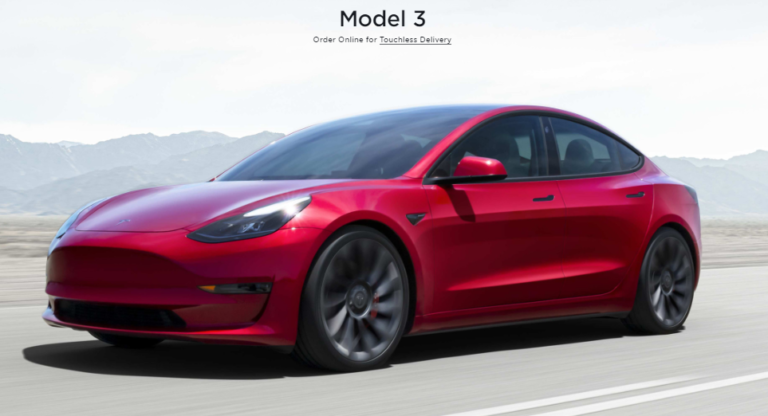
Electric Vehicles (Including Tesla Model 3)
- Tesla Model 3 was the first EV to adopt 21700 cells for better range and efficiency.
- More energy per cell allows manufacturers to reduce the number of battery cells, lowering costs and weight.
- Used in electric motorcycles, scooters, and performance e-bikes.
| Vehicle | Battery Type | Benefit of 21700 |
|---|---|---|
| Tesla Model 3 | 21700 Lithium-ion | Higher energy density, longer range |
| Rivian R1T | 21700 Lithium-ion | Fast charging, extended durability |
| Zero SR/F Motorcycle | 21700 Lithium-ion | Lightweight, high-performance |
Power Tools and High-Drain Devices
- More discharge power allows for stronger, longer-lasting power tools.
- Rechargeable 21700 packs improve efficiency in construction, automotive, and industrial work.
- Used in cordless drills, saws, grinders, and heavy-duty power tools.
Popular Power Tools Using 21700 Batteries:
| Tool | Brand | Feature |
|---|---|---|
| M18 High Output Battery | Milwaukee | Longer runtime, more power |
| CORE18V Battery | Bosch | 21700-based, high-efficiency |
| FlexVolt Battery | DeWalt | High-performance for heavy-duty tools |
Energy Storage Systems
- Used in solar power storage, home backup batteries, and industrial power grids.
- More efficient charging cycles make 21700 ideal for renewable energy systems.
- Companies like Tesla Powerwall and LG Chem integrate 21700 cells for better energy retention.
Examples of Specific Devices Using 21700 Batteries
| Device | Industry | Why 21700? |
|---|---|---|
| Tesla Model 3 Battery Pack | Electric Vehicles | Higher energy density, better range |
| Milwaukee M18 Power Tools | Construction | Stronger, longer battery life |
| Olight Warrior X Pro Flashlight | Tactical | Higher brightness, extended runtime |
| Tesla Powerwall | Energy Storage | Efficient solar power retention |
Which Battery Type is Right for You?
By now, we’ve explored the key differences between 21700 and 18650 batteries. The 21700 offers advantages in capacity, power output, and thermal management, but the 18650 remains a popular choice for its compact size and lower cost. So, how do you decide which battery type is the best fit for your needs?
Let’s break it down and examine the main factors you should consider when choosing between 21700 and 18650 batteries.
Factors to Consider
Device Compatibility
One of the first things to consider is whether your device is compatible with the battery type you’re considering. Some devices are designed specifically for 18650 batteries and may not accommodate the larger 21700 size without modification. Always check your device’s specifications or consult with the manufacturer to ensure compatibility.
Power and Capacity Requirements
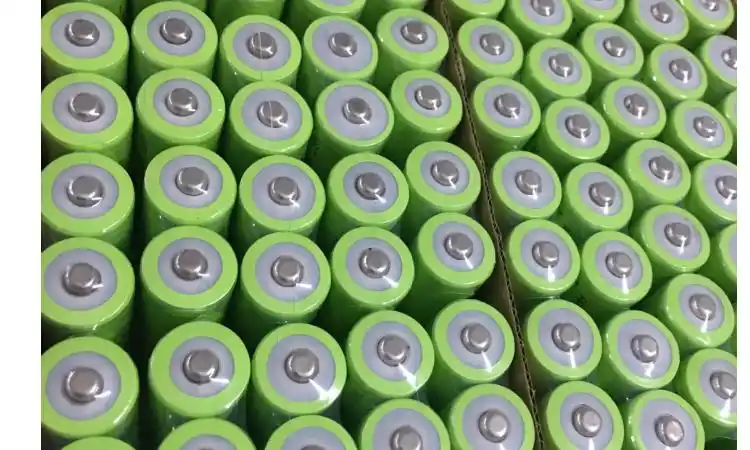
Next, think about your device’s power and capacity requirements. If you have a high-drain device that demands a lot of power, such as a powerful flashlight or an electric vehicle, the 21700’s higher power output and capacity may be the better choice. On the other hand, if you have a low-power device or one where compact size is more important than maximum runtime, the 18650 may suffice.
To illustrate this point, let’s consider two scenarios:
- You have a portable power bank for charging your smartphone on the go. In this case, the 18650’s capacity is likely sufficient, and its smaller size may be preferable for keeping the power bank compact and easy to carry.
- You’re building a high-performance electric bike. Here, the 21700’s higher capacity and power output may be necessary to achieve the desired speed and range.
Budget Constraints
Finally, consider your budget. 21700 batteries are generally more expensive than 18650s due to their larger size and higher capacity. If cost is a primary concern, 18650 batteries may be the more economical choice, especially if you don’t need the extra capacity or power that 21700s offer.
When to Choose 18650 Batteries
There are several scenarios where 18650 batteries may be the better choice:
- Your device is specifically designed for 18650 batteries and cannot accommodate larger sizes.
- You need a more compact battery for a small device, such as a portable power bank or a slim laptop.
- Your device has low to moderate power requirements, and the 18650’s capacity is sufficient for your needs.
- You’re working with a tight budget and need the most cost-effective option.
Some specific examples where 18650 batteries are commonly used include:
- Portable electronics, such as laptops, tablets, and power banks
- Compact flashlights and headlamps
- E-cigarettes and vaping devices with low to moderate power requirements
When to Choose 21700 Batteries
On the other hand, there are situations where 21700 batteries may be the preferred option:
- You have a device that requires high power output, such as a powerful electric vehicle or a high-performance power tool.
- You need the maximum possible capacity and runtime for your application.
- Your device generates a lot of heat, and the 21700’s improved thermal management would be beneficial.
- You’re willing to invest in the higher upfront cost of 21700 batteries for their long-term benefits.
Some specific examples where 21700 batteries are commonly used include:
- High-performance flashlights and work lights
- Electric vehicles, such as newer Tesla models and some electric bikes
- Power tools with high power demands, such as cordless drills and saws
Here’s a quick reference table to help you decide:
| 18650 Batteries | 21700 Batteries | |
|---|---|---|
| Device Compatibility | More widely compatible | May require device modification |
| Power and Capacity | Sufficient for low to moderate demands | Ideal for high-drain, high-capacity needs |
| Budget | More affordable | Higher upfront cost |
| Common Applications | Portable electronics, compact flashlights | High-performance devices, electric vehicles |
Conclusion
The 21700 battery offers higher capacity, better power output, and longer lifespan. The 18650 battery remains affordable, widely available, and compact.
Choosing the right battery depends on device compatibility, power needs, and budget. High-performance applications benefit from 21700, while 18650 suits everyday electronics.
Both batteries serve essential roles in flashlights, power tools, EVs, and storage systems. Understanding key differences helps select the best option for your needs.
FAQs
Can I Use a 21700 Battery in a Device Designed for 18650s?
No, 21700 batteries are larger and won’t fit in most devices made for 18650s. However, some adapters or modifications may allow compatibility.
Check before inserting a 21700 battery into any 18650-based device to avoid damage or safety risks.
Are 21700 Batteries Worth the Extra Cost?
| Feature | 21700 | 18650 |
|---|---|---|
| Capacity (mAh) | 4,000 – 5,000 | 2,300 – 3,600 |
| Energy Density (Wh/kg) | ~300 | ~250 |
| Lifespan (Charge Cycles) | ~1,000 | ~800 |
| Cost per Cell (USD) | $5 – $12 | $3 – $7 |
- 21700 lasts longer, holds more energy, and delivers better power output.
- Higher cost pays off for EVs, power tools, and high-performance devices.
- For budget-conscious users, 18650 remains a solid choice.
How Do I Ensure I’m Using the Right Battery Type for My Device?
✅ Check device specifications for battery size, voltage, and capacity limits.
✅ Verify polarity markings to prevent reverse installation.
✅ Use recommended brands for safety and performance.
✅ Avoid mixing old and new batteries in multi-cell setups.
What Safety Precautions Should I Take When Using Lithium-Ion Batteries?
⚠ Do not overcharge or over-discharge—use a protected charger.
⚠ Keep batteries away from heat sources—excess heat shortens lifespan.
⚠ Store in a cool, dry place—avoid humidity or direct sunlight.
⚠ Use batteries with built-in protection—prevents overheating and short circuits.
⚠ Dispose of damaged batteries properly—never throw them in the trash.
How Can I Maximize the Lifespan of My 21700 or 18650 Batteries?
🔹 Charge between 20% and 80% to reduce wear.
🔹 Avoid deep discharges—lithium-ion cells degrade faster when emptied completely.
🔹 Use the right charger—cheap chargers can overheat and damage the battery.
🔹 Rotate usage if you have multiple batteries—prevents excessive wear on one.
🔹 Store at ~50% charge if not used for a long time—prevents deep discharge damage.