
Ever wondered why your smartphone, drone, or laptop lasts as long as it does? The secret lies in rechargeable lithium batteries. These power sources drive modern technology, ensuring efficiency, portability, and reliability.
Among lithium-based batteries, Li-ion (Lithium-Ion) and LiPo (Lithium-Polymer) dominate the industry. While they share similarities, they also have distinct differences in structure, performance, durability, and applications.
In this post, we’ll explore what sets Li-ion and LiPo batteries apart. You’ll learn about their energy density, lifespan, safety, and ideal applications, helping you choose the right battery for your needs.
What is a Lithium-ion Battery?
Lithium-ion (Li-ion) batteries represent one of the most widely adopted rechargeable energy storage technologies in modern electronics. First commercialized in 1991, these batteries have revolutionized portable power solutions through their impressive performance characteristics and reliability.
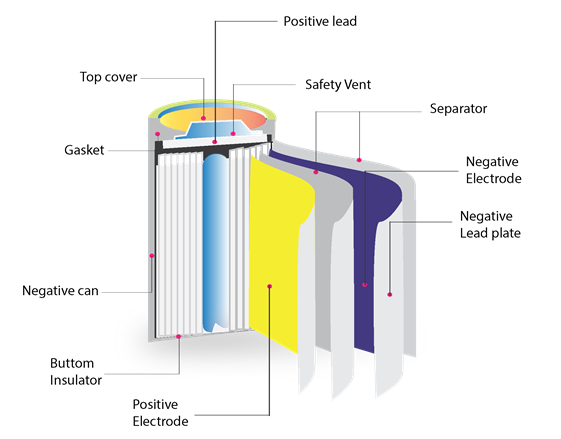
Definition and Working Principle
A lithium-ion battery is a type of rechargeable battery that uses lithium ions as the primary component of its electrochemistry. During discharge, lithium atoms in the anode become ionized (losing electrons) and move through the electrolyte toward the cathode. Upon reaching the cathode, they recombine with their electrons, becoming electrically neutral again. This movement of ions creates an electrical current that powers connected devices. During charging, this process reverses, with lithium ions migrating back to the anode.
Components of a Li-ion Battery
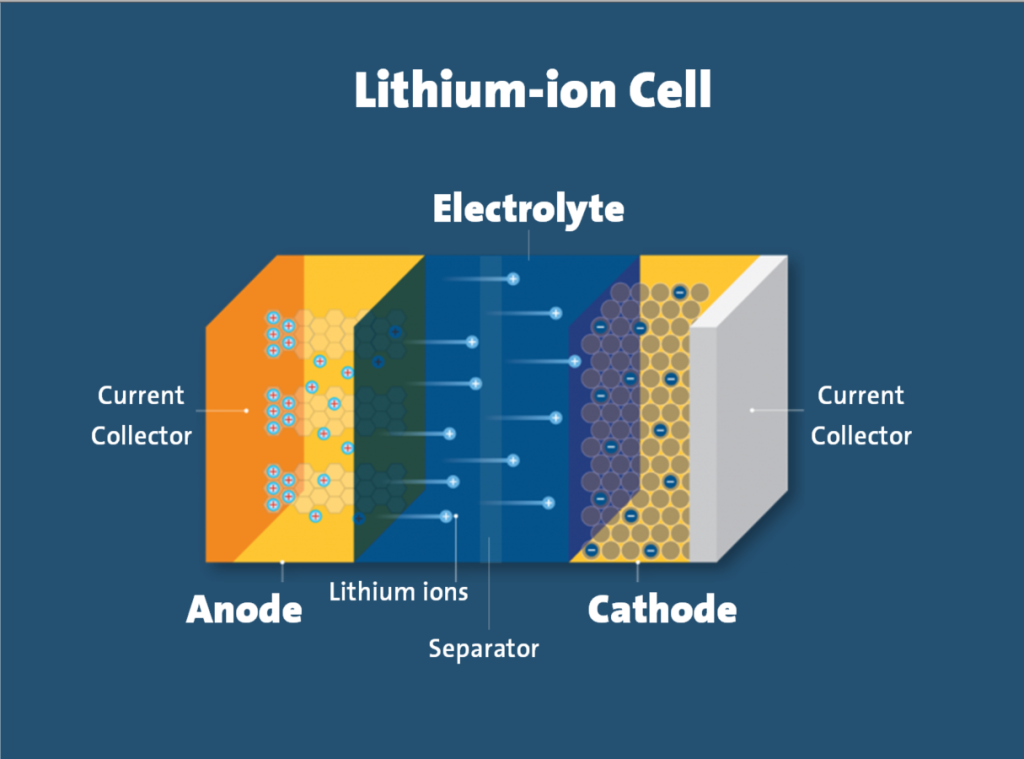
A typical Li-ion battery consists of the following key components:
| Component | Function | Common Materials |
|---|---|---|
| Anode | Stores lithium ions during charging | Graphite, Lithium Titanate (LTO) |
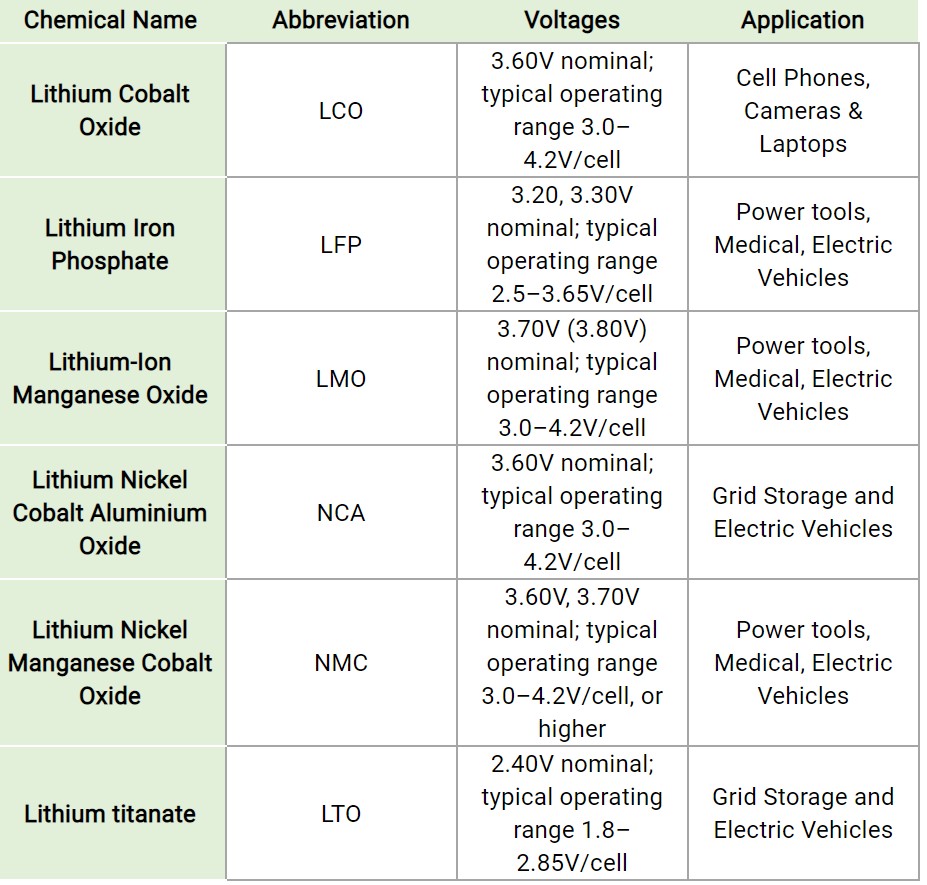
| Cathode | Releases lithium ions during discharge | Lithium Cobalt Oxide (LCO), Nickel Manganese Cobalt (NMC), Lithium Iron Phosphate (LFP) |
| Electrolyte | Conducts lithium ions between anode and cathode | Lithium salt in organic solvents |
| Separator | Prevents short circuits by keeping anode and cathode apart | Microporous polymer membranes |
These materials impact battery performance, lifespan, and safety, making them crucial for different applications.
Advantages of Lithium-ion Batteries
Li-ion batteries have become the preferred choice for energy storage due to their efficiency, longevity, and adaptability. Below are some of their key benefits:
- High Energy Density:
- Stores 150-250+ Wh/kg, allowing for compact designs with long-lasting power.
- Ideal for applications requiring lightweight yet powerful batteries, such as smartphones and laptops.
- Low Self-Discharge Rate:
- Retains charge effectively with only 5% loss per month when not in use.
- Offers better power retention compared to other rechargeable batteries like NiMH or lead-acid.
- Long Lifespan & Durability:
- Supports 500+ charge cycles while maintaining performance.
- Some advanced Li-ion chemistries can reach 1,000+ cycles with proper maintenance.
- Wide Range of Applications:
- Used in consumer electronics, electric vehicles (EVs), aerospace, medical devices, and renewable energy storage.
- Commonly found in 18650 and 21700 cylindrical cells, as well as prismatic and pouch formats.
- No Memory Effect: These batteries don’t require complete discharge before recharging, making them convenient for everyday use.
Disadvantages of Lithium-ion Batteries
- Safety Concerns: Prone to overheating if damaged or improperly charged.
- Aging Issues: Gradual capacity degradation over time, even when not in use.
- Temperature Sensitivity: Performance significantly decreases in extreme temperatures.
- Higher Cost: More expensive than some traditional rechargeable battery technologies.
What is a Lithium Polymer Battery?
Lithium Polymer (LiPo) batteries represent an evolution in rechargeable battery technology, offering unique advantages for specific applications where size, weight, and form factor are crucial considerations.
Definition and Types of LiPo Batteries
Lithium Polymer batteries are a variation of lithium-ion technology that use either a solid polymer electrolyte or a gel-like material instead of the liquid electrolyte found in traditional Li-ion batteries. Despite often being called “polymer” batteries, the most common type is actually a Li-ion battery enclosed in a flexible pouch casing, also known as a “pouch cell.” True polymer electrolyte batteries and hybrid polymer electrolyte (HPE) systems also exist, though they’re less common commercially.
The Use of Polymer Electrolyte in LiPo Batteries
The polymer separator in LiPo batteries serves multiple functions:
- Contains the electrolyte
- Prevents direct contact between anode and cathode
- Can act as a “shutdown separator” if temperatures rise too high
- Enables the battery’s flexible form factor
Contrary to popular belief, most commercial LiPo batteries still contain liquid components within their polymer matrix, with up to 50% of their composition being liquid solvents.
Compact Design and Flexibility in Shape
| Feature | Benefit | Application Example |
|---|---|---|
| Thin profile | Fits in tight spaces | Slim laptops, smartphones |
| Flexible form | Adaptable to unique device shapes | Curved wearables |
| Aluminum foil pouch | Lighter weight casing | Drones, RC vehicles |
| Custom configurations | Tailored battery solutions | Electronic cigarettes |
Advantages of Lithium Polymer Batteries
- High Energy Density: LiPo batteries offer energy density between 130-200 Wh/kg.
- Lightweight and Slim Design: Their pouch construction makes them ideal for space-constrained devices.
- Faster Charging Capability: Many LiPo designs support higher charging rates compared to standard Li-ion.
- High Discharge Rates: Can deliver bursts of power (20C-90C discharge rates) for demanding applications like racing drones.
- Application Versatility: Perfect for smart wearables, thin laptops, power banks, and aerial devices.
Disadvantages of Lithium Polymer Batteries
- Higher Manufacturing Cost: Nearly double the price of equivalent Li-ion batteries.
- Shorter Lifespan: Typically only good for 300-400 charge cycles before significant degradation.
- Safety Concerns: Susceptible to swelling, and can catch fire if punctured or damaged.
- Special Care Requirements: Need careful handling during charging, discharging, and storage.
Comparison: Lithium-Ion vs. Lithium-Polymer
Both Lithium-Ion (Li-ion) and Lithium-Polymer (LiPo) batteries are widely used in modern technology, but they differ in composition, efficiency, safety, and cost. Below is a detailed comparison of their key characteristics.

Composition & Construction
Li-ion batteries typically use a liquid electrolyte contained within a rigid metal case (cylindrical or rectangular), while LiPo batteries utilize a gel-like polymer electrolyte housed in a flexible aluminum pouch. This fundamental difference affects nearly every aspect of their performance.
Key Comparison Factors
| Feature | Lithium-Ion | Lithium-Polymer |
|---|---|---|
| Energy Density | 150-250+ Wh/kg | 130-200 Wh/kg |
| Packaging | Rigid metal casing | Flexible pouch |
| Cycle Life | 500-1000 cycles | 300-400 cycles |
| Self-discharge | ~5% per month | Slightly higher |
| Cost | Lower initial cost | Nearly double the cost |
| Discharge Rate | Lower (1C-5C typical) | Higher (20C-90C possible) |
| Safety | Better protected, less prone to damage | More vulnerable to punctures |
| Weight | Heavier due to metal casing | Lightweight design |
Performance & Application Differences
Li-ion and LiPo batteries excel in different usage scenarios:
- Power Delivery: LiPo batteries deliver higher discharge rates, making them ideal for applications requiring bursts of power like drones and RC vehicles.
- Thermal Management: Li-ion’s cylindrical design offers better heat dissipation and more even thermal performance compared to LiPo’s pouch construction.
- Form Factor Flexibility: LiPo batteries can be manufactured in various shapes and sizes, fitting into unconventional spaces where rigid Li-ion cells cannot.
- Longevity: Li-ion batteries from premium manufacturers like Samsung SDI, Panasonic, and LG typically offer superior lifespan and consistent performance over time.
Environmental Considerations
Both battery types pose environmental challenges:
Environmental Impact and Recycling
- Li-ion batteries use Cobalt, Nickel, and Lithium, which require extensive mining.
- Recycling potential is higher in Li-ion, as established methods exist for reclaiming cobalt and nickel.
- LiPo batteries, due to polymer-based construction, are harder to recycle.
Industry-Specific Applications
Both Lithium-Ion (Li-ion) and Lithium-Polymer (LiPo) batteries serve critical roles across various industries. While Li-ion dominates in applications requiring longevity and stability, LiPo excels in lightweight, high-discharge environments. Below is a breakdown of their applications across different sectors.
Consumer Electronics
| Device Type | Preferred Battery | Reason |
|---|---|---|
| Smartphones, Laptops, Tablets | Li-ion | Higher energy density, longer lifespan, and cost-effectiveness |
| Wearables & Ultra-Thin Devices | LiPo | Flexible form factor, lightweight, and compact design |
- Li-ion batteries power most smartphones, laptops, and tablets due to their high energy efficiency and long cycle life.
- LiPo batteries are commonly found in smartwatches, fitness bands, and ultra-thin laptops, where flexibility and weight reduction are essential.
Electric Vehicles (EVs)
- Li-ion batteries are the primary choice for EV battery packs due to:
- Higher energy density (critical for long-range driving).
- Longer lifespan (important for cost-efficiency).
- Better thermal management compared to LiPo.
- LiPo batteries are being researched for lightweight EV components, but their shorter lifespan and safety concerns limit widespread use.
Drones & UAVs
| Battery Type | Advantage | Best Use Case |
|---|---|---|
| LiPo | High discharge rate | Racing drones, professional UAVs |
| Li-ion | Energy efficiency | Long-range, endurance flights |
- LiPo batteries are the top choice for drones and UAVs, offering:
- Fast power delivery for maneuverability and quick acceleration.
- High discharge rates needed for drone propulsion.
- Li-ion batteries are used in long-range drones, where extended flight time is more critical than burst power.
RC Vehicles and Hobbyist Electronics
- LiPo batteries dominate in remote-controlled (RC) cars, boats, and airplanes due to:
- High discharge rates (critical for fast acceleration).
- Lightweight structure, improving speed and agility.
- Hobbyists also prefer LiPo for DIY electronics due to customizable shapes and sizes.
Medical Devices and Aerospace
| Application | Preferred Battery | Reason |
|---|---|---|
| Medical Equipment | Li-ion | Reliability, consistent power output, and long lifespan |
| Aerospace Systems | Li-ion | Thermal stability and predictable energy delivery |
- Medical devices (e.g., pacemakers, portable monitors) require stable and reliable power, making Li-ion the preferred choice.
- Aerospace applications, including satellites and aircraft backup systems, use Li-ion for durability and thermal stability in extreme conditions.
Cost Analysis and Budgeting
When choosing between Lithium-Ion (Li-ion) and Lithium-Polymer (LiPo) batteries, cost considerations extend beyond the initial purchase price. Factors such as replacement frequency, maintenance, storage, and disposal costs play a significant role in long-term budgeting.
Initial Purchase Costs
| Battery Type | Average Cost | Key Cost Factors |
|---|---|---|
| Li-ion | Lower | Mass production, standardized manufacturing |
| LiPo | Higher | Customizable shapes, advanced materials |
- Li-ion batteries are generally more affordable due to mass production and standardized components.
- LiPo batteries cost more because of their specialized polymer electrolyte and flexible packaging.
Long-Term Investment and Replacement Frequency
- Li-ion batteries last longer, offering 500-1,000 charge cycles before significant degradation.
- LiPo batteries degrade faster, typically lasting 300-400 charge cycles, leading to more frequent replacements.
- In applications requiring durability and longevity (e.g., EVs, laptops), Li-ion is the more cost-effective choice.
Maintenance and Safety Considerations
| Factor | Li-ion | LiPo |
|---|---|---|
| Thermal Management | Built-in safety circuits | Requires careful handling |
| Risk of Swelling | Low | High, especially if overcharged |
| Storage Risks | Moderate | High (prone to punctures) |
- LiPo batteries require careful handling to prevent swelling, punctures, and overheating, increasing maintenance costs.
- Li-ion batteries have built-in safety features, reducing the risk of failures.
Storage and Handling Costs
- Li-ion batteries can be stored for longer periods with minimal degradation.
- LiPo batteries require specific storage conditions (fireproof containers, partial charge storage) to prevent swelling or combustion.
- Cold storage environments can extend Li-ion lifespan, while LiPo batteries must avoid extreme temperatures.
Disposal and Recycling Expenses
| Battery Type | Recycling Challenges | Environmental Impact |
|---|---|---|
| Li-ion | Complex but scalable | Uses cobalt, nickel, and lithium |
| LiPo | Difficult to recycle | Polymer casing makes processing harder |
- Li-ion batteries have established recycling programs, especially for materials like cobalt and nickel.
- LiPo batteries are harder to recycle due to their polymer casing and gel electrolyte.
- Safe disposal costs can be higher for LiPo batteries, as improper disposal can lead to fire hazards.
Choosing the Right Battery for Your Application
Selecting the optimal battery technology depends on your specific requirements. Understanding when to choose Li-ion versus LiPo batteries can significantly impact your device’s performance, longevity, and safety.
When to Choose Li-ion
Li-ion batteries excel in applications requiring:
- Extended runtime and efficiency: Their superior energy density (150-250+ Wh/kg) provides longer operational periods between charges.
- Reliability and longevity: With 500-1000+ charge cycles, Li-ion batteries offer better long-term value.
- Thermal stability: The cylindrical and prismatic designs provide better heat management, making them safer for consumer products.
- Consistent power delivery: They maintain stable voltage throughout discharge cycles, ideal for devices requiring steady performance.
Best applications: Smartphones, laptops, electric vehicles, medical devices, and applications where safety and lifespan outweigh form factor considerations.
When to Choose LiPo
LiPo batteries are the preferred choice when your application demands:
| LiPo Advantage | Application Example |
|---|---|
| High discharge rates (20C-90C) | Racing drones, RC vehicles |
| Flexible form factors | Wearable technology, ultra-thin devices |
| Lightweight design | Aerial applications, portable electronics |
| Customized shapes | Space-constrained designs, curved devices |
| Burst power delivery | Competitive racing applications |
Best applications: Drones, RC vehicles, smart wearables, thin laptops, and devices where weight and space constraints are critical.
Hybrid Battery Solutions
Emerging hybrid approaches combine technologies to harness the strengths of both battery types:
- Multi-battery systems: Using Li-ion for base power and LiPo for burst requirements
- Advanced polymer separators: Incorporating polymer components into Li-ion designs to enhance safety
- Solid-state development: Research into true solid polymer electrolytes (SPE) aims to combine Li-ion’s stability with LiPo’s flexibility
- Hybrid polymer electrolyte (HPE) systems: Combining polymer material with liquid solvents and salt for improved performance
Conclusion
Li-ion and LiPo batteries have unique strengths. Li-ion offers longevity and efficiency, while LiPo provides lightweight power and flexibility.
Understanding battery characteristics helps optimize performance, safety, and cost-effectiveness for different applications.
Choosing the right battery depends on power needs, lifespan, and form factor requirements.
Make informed decisions to ensure better efficiency, durability, and safety in your devices.
Frequently Asked Questions (FAQ)
Are Li-ion batteries safe to use?
Despite occasional high-profile incidents, Li-ion batteries are remarkably safe with failure rates under one in a million—making them statistically safer than being struck by lightning (1 in 13,000). These batteries incorporate multiple safety features including:
- Protection circuits to prevent overcharging
- Thermal controls to regulate temperature
- Robust metal casings for physical protection
- Battery management systems in larger applications
Most safety issues stem from manufacturing defects, physical damage, or extreme operating conditions rather than inherent design flaws.
Can Li-ion and LiPo batteries be recycled?
Both Li-ion and LiPo batteries are recyclable, though the process requires specialized facilities. Li-ion batteries offer better recycling potential with valuable materials like cobalt, nickel, and lithium that can be recovered and reused in new battery production. LiPo batteries present additional recycling challenges due to their polymer components, but the aluminum pouch can be recycled. Many regions now have dedicated battery recycling programs, with some manufacturers offering take-back programs to promote responsible disposal.
How to extend the lifespan of lithium-based batteries?
To maximize battery longevity, follow these best practices:
| Practice | Li-ion | LiPo |
|---|---|---|
| Temperature | Keep between 20-25°C (68-77°F) | Same, plus avoid freezing |
| Charge level | Store at 40-60% capacity | Store at 40-60% capacity |
| Charging | Use manufacturer-approved chargers | Use balance chargers specifically designed for LiPo |
| Discharge | Avoid frequent complete discharges | Never discharge below 3.0V per cell |
| Storage | Cool, dry conditions | Fireproof container recommended |
Regular, moderate use is better than extended storage or extreme usage patterns.
What are the signs of a damaged or aging lithium battery?
Watch for these warning signs that indicate battery replacement is needed:
- Physical swelling or deformation (particularly common in LiPo batteries)
- Significantly reduced capacity (holds less than 80% of original charge)
- Faster discharge rates during normal use
- Overheating during charging or normal operation
- Visible damage to the battery casing (dents, cracks, leakage)
If you notice any of these symptoms, discontinue use immediately and properly dispose of the battery.
Which is better lithium-ion or lithium polymer battery?
Neither technology is universally “better”—each excels in different applications. Li-ion batteries offer superior energy density (150-250+ Wh/kg), longer cycle life (500-1000+ cycles), and better thermal stability, making them ideal for smartphones, laptops, and electric vehicles. LiPo batteries provide flexible form factors, lightweight design, and higher discharge rates (20C-90C), making them perfect for drones, wearables, and space-constrained devices. The “better” choice depends entirely on your specific requirements for power, weight, space, and longevity.
Which is better, a lithium-ion or a lithium polymer power bank?
For power banks, Li-ion typically offers better value with higher capacity-to-weight ratios and longer lifespan (500+ charge cycles versus 300-400 for LiPo). Premium power banks using cylindrical Li-ion cells from manufacturers like Samsung or LG deliver consistent performance and better thermal management. However, ultra-slim or uniquely shaped power banks benefit from LiPo’s flexible form factor. Consider your priority: if you value longevity and capacity, choose Li-ion; if you prioritize slim design and portability, LiPo may be preferable.
Do lithium-polymer batteries last longer?
No, lithium-polymer batteries typically have shorter lifespans than lithium-ion batteries. LiPo batteries generally last 300-400 charge cycles before significant capacity degradation, while quality Li-ion batteries often endure 500-1000+ cycles. LiPo batteries are also more susceptible to swelling and physical damage that can reduce operational life. The main advantage of LiPo isn’t longevity but rather form factor flexibility and high discharge rates for performance-intensive applications where weight and size considerations outweigh longevity concerns.
How many years can a LiPo battery last?
A LiPo battery typically lasts 2-3 years under normal usage conditions, though calendar life varies based on:
- Frequency of charge cycles (300-400 cycles maximum)
- Storage conditions (temperature and charge level)
- Discharge rates (high-performance demands reduce lifespan)
- Manufacturing quality (premium vs. budget manufacturers)
Proper maintenance can extend useful life: store at 40-60% charge, avoid extreme temperatures, use appropriate chargers, and prevent deep discharges. Even with perfect care, the chemical composition will degrade over time, reducing capacity and performance.