
Have you ever wondered why some devices use AA batteries, while others need C or D?
Choosing the wrong one can lead to poor performance—or even damage.
AA, C, and D batteries look similar, but they’re not the same.
Each has different power, size, and usage.
In this post, you’ll learn how AA, C, and D batteries compare in size, weight, voltage, and capacity.
We’ll also cover which battery fits which device—and how to choose the right one safely and smartly.
What Are AA, C, and D Batteries?
Batteries are portable power units that provide electricity through chemical reactions occurring inside them. These reactions generate a flow of electrons that power our electronic devices.
What are batteries and how do they work?
Batteries convert chemical energy into electrical energy through a controlled chemical reaction. Inside each battery, there are three main components:
- Anode (negative terminal): Releases electrons during discharge
- Cathode (positive terminal): Accepts electrons during discharge
- Electrolyte: Allows ions to move between terminals, enabling current flow
When you connect a battery to a device, this chemical reaction creates an electrical circuit, powering your device until the chemical reactants are depleted.
Key battery parameters
| Parameter | Description |
|---|---|
| Size | Physical dimensions affecting compatibility and energy storage capacity |
| Weight | Heavier batteries typically store more energy |
| Voltage | Standard voltage is 1.5V for alkaline AA, C, and D batteries |
| Capacity | Measured in milliampere-hours (mAh), indicating runtime before replacement |
| Lifespan | Duration a battery can power a device before needing replacement |
| Chemistry | Common types include alkaline, lithium, and rechargeable NiMH |
AA Batteries
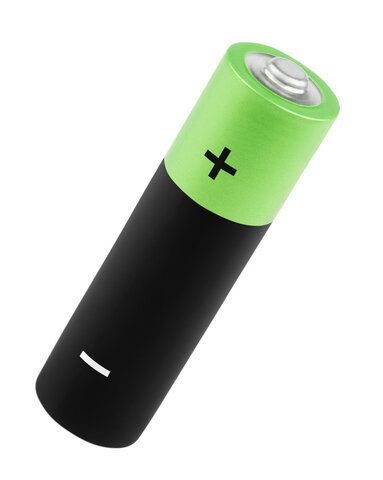
AA battery specifications
- Length: Approximately 50.5 mm
- Diameter: 14.5 mm
- Weight: About 23 grams (alkaline)
- Capacity: Typically 1,800 to 2,850 mAh
Common applications for AA batteries
Low-drain devices:
- Remote controls
- Wall clocks
- Wireless mice and keyboards
- Small electronic gadgets
Portable electronics:
- Digital cameras
- Handheld gaming devices
- MP3 players
- Small toys
Advantages of AA batteries
- Wide availability: Found in virtually every store that sells batteries
- Compact size: Fits in small devices and portable electronics
- Affordable: Lower cost per unit compared to larger batteries
- Versatility: Used in countless household devices
Disadvantages of AA batteries
- Limited capacity compared to larger battery sizes
- Short lifespan in high-drain devices, requiring frequent replacement
- Less suitable for power-hungry applications
- Environmental impact if not properly recycled (especially non-rechargeable versions)
C Batteries
C battery specifications
- Length: 50 mm
- Diameter: 26.2 mm
- Weight: Approximately 65 grams
- Capacity: Typically 6,000 to 8,000 mAh

Common applications for C batteries
Medium-drain devices:
- Medium-sized flashlights
- Portable radios
- Children’s toys
- Some medical equipment
- Emergency devices
Advantages of C batteries
- Higher capacity than AA batteries, providing longer runtime
- Suitable for devices requiring moderate power consumption
- Good balance between size and power capacity
- Available in rechargeable options for cost savings
Disadvantages of C batteries
- Less common than AA or D batteries in retail stores
- Bulkier than AA batteries, limiting use in compact devices
- Higher price point than AA batteries
- Fewer devices designed specifically for C batteries in modern electronics
D Batteries
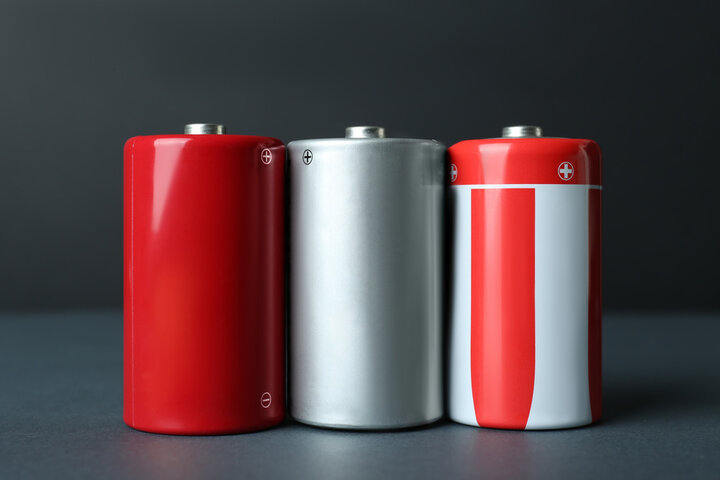
D battery specifications
- Length: 61.5 mm
- Diameter: 34.2 mm
- Weight: Approximately 140 grams
- Capacity: Typically 12,000 to 18,000 mAh
Common applications for D batteries
High-drain devices:
- Large flashlights
- Portable speakers and boomboxes
- Industrial equipment
- Heavy-duty toys
- Power tools
- Emergency and medical equipment
Advantages of D batteries
- Highest capacity among standard battery sizes
- Long lifespan in power-hungry devices, reducing replacement frequency
- Reliable performance for extended periods
- Ideal for emergency situations where power longevity is critical
Disadvantages of D batteries
- Largest and heaviest standard battery size
- More expensive than AA or C batteries
- Not suitable for compact or lightweight devices
- Less commonly used in modern consumer electronics
- Takes up more storage space
Pro Tip: While AA, C, and D batteries all provide the same 1.5V, the critical difference is their capacity. Choose based on your device’s power needs rather than just what fits in the compartment. Using adapters to fit smaller batteries in larger compartments will result in significantly reduced runtime.
Comparing AA vs C vs D Batteries
When selecting the right battery for your device, understanding the key differences between AA, C, and D batteries is essential. These battery types share some characteristics while differing significantly in others.
Size and Weight Differences
The most obvious distinction between these battery types is their physical dimensions:
| Battery Type | Length | Diameter | Weight |
|---|---|---|---|
| AA | 50.5 mm | 14.5 mm | ~23 g |
| C | 50 mm | 26.2 mm | ~65 g |
| D | 61.5 mm | 34.2 mm | ~140 g |
This size progression directly impacts their energy storage capacity and suitability for different devices. The larger the battery, the more chemical components it can contain, resulting in higher capacity and longer runtime.
Voltage Consistency Across Types
Despite their size differences, AA, C, and D batteries all provide the same standard voltage:
- Standard voltage: 1.5V for alkaline versions of all three types
- Rechargeable versions: Typically 1.2V for NiMH chemistry
This voltage consistency ensures compatibility across devices designed for these battery types, though capacity remains the determining factor for runtime.
Capacity Ranges and Impact on Device Runtime
Battery capacity, measured in milliampere-hours (mAh), varies significantly between types:
- AA batteries: 1,800 to 2,850 mAh
- C batteries: 6,000 to 8,000 mAh
- D batteries: 12,000 to 18,000 mAh
This capacity differential directly affects how long a device can run before requiring battery replacement. For instance, a flashlight using D batteries might operate 4-6 times longer than the same flashlight using AA batteries.
Typical Applications for Each Size
Each battery type excels in specific applications:
- AA batteries: Remote controls, clocks, small electronics, wireless mice, digital cameras
- C batteries: Medium-sized flashlights, portable radios, children’s toys, moderate-drain devices
- D batteries: Large flashlights, boomboxes, heavy-duty toys, industrial equipment, emergency devices
Cost Considerations
Price increases with battery size, but value depends on application:
- AA batteries: Lowest unit cost, most economical for low-drain devices
- C batteries: Mid-range price, good value for moderate power needs
- D batteries: Highest unit cost, but often more cost-effective for high-drain devices due to longer runtime and less frequent replacement
For devices used regularly, rechargeable versions of any size offer significant long-term savings despite higher initial investment costs.
Are AA, C, and D Batteries Interchangeable?
While AA, C, and D batteries all provide the same standard voltage (1.5V), they aren’t directly interchangeable due to differences in size and capacity. However, there are situations where substitutions can work with the right tools.
Can I use AA batteries in a device that requires C or D?
Yes, but only with adapters. Due to significant physical size differences, AA batteries won’t fit naturally in compartments designed for C or D batteries:
| Battery Type | Direct Replacement Possible? | Requires Adapter? |
|---|---|---|
| AA → C | No | Yes |
| AA → D | No | Yes |
| C → D | No | Yes |
Remember that while adapters solve the size issue, they don’t address the capacity difference. AA batteries have substantially less capacity than C or D batteries, which impacts device performance and runtime.
What happens if you swap battery sizes?
When you substitute a smaller battery for a larger one, even with an adapter, you’ll experience:
- Reduced runtime: A device designed for D batteries using adapted AA batteries might run 4-6 times shorter before needing replacement
- Potential performance issues: High-drain devices may not operate at full power with smaller batteries
- More frequent battery changes: The significant capacity difference means you’ll need to replace batteries much more often
- No voltage difference: The standard 1.5V remains the same regardless of size
What are battery adapters and do they work?
Battery adapters are plastic sleeves that allow smaller batteries to fit in compartments designed for larger ones. Here’s what you should know:
- Effectiveness: They solve the physical fit problem but not the capacity difference
- Types available:
- AA to C adapters
- AA to D adapters
- C to D adapters
- Best uses: Emergency situations when you don’t have the correct battery size
- Limitations: Never a long-term solution for high-drain devices
Chemistry Differences: Alkaline vs Lithium vs Rechargeable (NiMH)
The chemistry of a battery significantly influences its performance, lifespan, cost, and environmental impact. AA, C, and D batteries are available in various chemistries, each with unique characteristics suitable for different applications.
What’s the difference between battery chemistries?
| Chemistry | Voltage | Self-Discharge Rate | Temperature Performance | Environmental Impact |
|---|---|---|---|---|
| Alkaline | 1.5V | Low | Poor in extreme temps | High (disposable) |
| Lithium | 1.5V | Very low | Excellent in all temps | High (disposable) |
| NiMH (Rechargeable) | 1.2V | High | Moderate | Low (reusable) |
Alkaline batteries contain zinc and manganese dioxide, offering reliable performance at an affordable price. They’re disposable and widely available but lack performance in extreme temperatures.
Lithium batteries utilize lithium and iron disulfide, providing lightweight construction and superior performance in extreme temperatures. They last significantly longer than alkaline but come at a premium price.
NiMH (Nickel-Metal Hydride) batteries are rechargeable, offering hundreds of recharge cycles. While they provide slightly lower voltage (1.2V vs 1.5V), most modern devices accommodate this difference without issues.
Which chemistry is best for your usage type?
Choose based on your specific needs:
- Alkaline: Best for:
- Infrequently used devices
- Low-drain applications
- Budget-conscious consumers
- Devices used in normal temperature conditions
- Lithium: Ideal for:
- High-drain devices requiring maximum performance
- Extreme temperature conditions (both hot and cold)
- Long-term storage applications
- Situations where battery weight matters
- NiMH Rechargeable: Perfect for:
- Frequently used devices
- Environmentally conscious consumers
- Long-term cost savings
- Moderate to high-drain applications
AA, C, and D battery chemistry options and lifespan
All three battery sizes are available in alkaline, lithium, and rechargeable NiMH chemistries, with varying lifespans:
- AA Batteries:
- Alkaline: 100-400 hours of use (device-dependent)
- Lithium: 2-3× longer than alkaline
- NiMH: 200-500 charge cycles (1000+ for low self-discharge versions)
- C Batteries:
- Similar chemistry options with 3-4× the capacity of AA batteries
- Longer runtime for equivalent devices
- D Batteries:
- Highest capacity across all chemistries
- 6-9× the runtime of AA batteries in high-drain applications
For environmental impact and long-term savings, rechargeable NiMH batteries typically pay for themselves after 5-10 charging cycles compared to disposable alternatives.
Rechargeable AA vs C vs D Batteries: Are They Worth It?
Environmental and cost benefits of rechargeable batteries
The environmental impact of battery usage is significant, with billions of disposable batteries ending up in landfills annually.
Environmental benefits:
- Significantly reduced waste (one rechargeable battery replaces hundreds of disposables)
- Lower resource consumption and mining impact
- Reduced carbon footprint from manufacturing
- Less toxic waste in landfills
Cost analysis over time:
| Battery Type | Initial Cost | Cost Per 100 Uses | Savings vs. Disposable |
|---|---|---|---|
| AA Rechargeable | $10-15 (4-pack + charger) | $0.10-0.15 | $35-40 |
| C Rechargeable | $15-25 (4-pack + charger) | $0.15-0.25 | $45-60 |
| D Rechargeable | $20-30 (4-pack + charger) | $0.20-0.30 | $60-80 |
While the upfront cost is higher, rechargeable batteries typically pay for themselves within 10-15 uses.
Performance comparison: rechargeable vs non-rechargeable
NiMH rechargeable batteries differ from standard alkaline batteries in several key ways:
- Voltage: 1.2V vs 1.5V for alkaline (most modern devices can accommodate this difference)
- Discharge curve: Rechargeable batteries maintain more consistent voltage throughout their discharge cycle
- Self-discharge rate: Higher in standard rechargeables (10-15% per month vs 2-3% for alkaline)
- Cold weather performance: Generally poorer than alkaline or lithium batteries
- Weight: Slightly heavier than comparable alkaline batteries
For high-drain devices (digital cameras, flashlights), rechargeable batteries often outperform standard alkaline batteries despite the lower voltage.
How many times can rechargeable AA, C, or D batteries be used?
Rechargeable NiMH batteries offer impressive longevity across all sizes:
- AA rechargeable batteries: 500-1,000 recharge cycles (standard NiMH)
- C rechargeable batteries: 500-1,000 recharge cycles
- D rechargeable batteries: 500-1,000 recharge cycles
Low self-discharge (LSD) variants, often labeled as “pre-charged” or “ready to use,” offer:
- Longer shelf life (retain 70-85% charge after one year storage)
- Slightly fewer recharge cycles (500-800)
- Better performance in infrequently used devices
With proper care and high-quality chargers, rechargeable batteries can provide reliable power for 3-5 years of regular use, making them excellent long-term investments.
How to Choose Between AA, C, and D Batteries
Selecting the optimal battery type for your device involves considering several key factors. This step-by-step guide will help you make an informed decision based on your specific needs and usage patterns.
Step-by-Step Guide to Choosing the Right Battery
1. Assess Device Power Requirements
Your device’s power demands should be your primary consideration:
| Power Requirement | Best Battery Choice | Examples |
|---|---|---|
| Low-drain | AA | Remote controls, clocks, wireless mice |
| Medium-drain | C | Portable radios, medium flashlights |
| High-drain | D | Large flashlights, power tools, boomboxes |
Check your device’s manual for recommended battery types. If a device drains AA batteries quickly (within days instead of months), consider upgrading to C or D batteries if the device allows.
2. Evaluate Usage Frequency
How often you use the device affects your optimal battery choice:
- Infrequent use (few times monthly):
- Standard alkaline batteries (any size)
- Low self-discharge rechargeable for AA sizes
- Regular use (weekly):
- Higher capacity batteries (C or D for appropriate devices)
- Consider rechargeable options if replacing more than monthly
- Daily use:
- Rechargeable NiMH batteries will provide significant cost savings
- Larger sizes (C/D) for high-power devices
3. Consider Portability Needs
Weight and size matter for portable devices:
- Highly portable devices: AA batteries (23g each) minimize weight
- Occasionally moved devices: C batteries (65g each) offer balance between power and weight
- Stationary devices: D batteries (140g each) provide maximum longevity without concern for weight
4. Evaluate Environmental Impact
Make environmentally responsible choices:
- 🌱 Rechargeable batteries reduce waste significantly (1 rechargeable = 100+ disposables)
- 🌱 Properly recycle any disposable batteries
- 🌱 For infrequently used devices, low self-discharge rechargeables minimize environmental impact
5. Calculate Budget and Long-Term Cost
Consider both immediate and long-term financial impact:
Initial cost ranking (lowest to highest):
- AA alkaline
- C alkaline
- D alkaline
- AA rechargeable + charger
- C rechargeable + charger
- D rechargeable + charger
Long-term cost (100 uses):
- Rechargeable batteries cost 75-90% less over their lifetime
- High-drain devices see faster cost recovery with rechargeable options
- D batteries last longer but cost more initially than AA or C sizes
By systematically working through these five considerations, you’ll identify the ideal battery type that balances performance, convenience, environmental impact, and cost for your specific needs.
Final Words
AA, C, and D batteries differ in size, weight, and power.
Each is best suited for specific devices.
Choosing the right battery improves performance and saves money.
Don’t just go by size—consider capacity and usage.
Always match your battery to your device’s needs.
Smart choices lead to longer-lasting power and safer use.