
Batteries don’t last forever. Have you ever noticed your phone losing charge faster over time? That’s battery aging at work.
Battery aging happens when a battery’s ability to hold charge declines over time. This affects everything from smartphones to electric vehicles and energy storage systems. Understanding why batteries degrade can help extend their lifespan and improve performance.
In this post, we’ll explore what battery aging is, why it happens, and how it impacts everyday devices. Whether you use a phone, laptop, or EV, this guide will help you make your batteries last longer.

What is Battery Aging?
Battery aging refers to the gradual degradation process that affects all batteries over time, resulting in diminished performance and reduced capacity. This natural phenomenon occurs in all battery types, particularly in lithium-ion batteries that power most of our modern devices.
What Happens Inside a Battery as It Ages?
As a battery ages, several chemical and physical changes occur internally:
- Surface Electrolyte Interphase (SEI) Growth: The SEI layer on the negative electrode thickens over time, binding lithium ions and preventing them from participating in charge-discharge reactions.
- Electrode Material Breakdown: The electrode materials experience expansion and contraction during charging cycles, leading to structural damage and separation from current collectors.
- Electrolyte Degradation: The electrolyte solution undergoes oxidation and decomposition reactions, weakening its ability to transfer ions effectively.
- Material Loss: Active lithium content gradually decreases as chemical side reactions consume available materials.
Effects of Aging
Battery aging manifests in two primary performance impacts:
| Performance Impact | Symptoms | Real-world Effect |
|---|---|---|
| Capacity Degradation | Reduced energy storage | Shorter runtime between charges |
| Internal Resistance Increase | Decreased power capability | Lower efficiency, more heat generation |
These changes result in noticeable effects for users: devices that don’t last as long on a charge, longer charging times, and increased heat during operation.
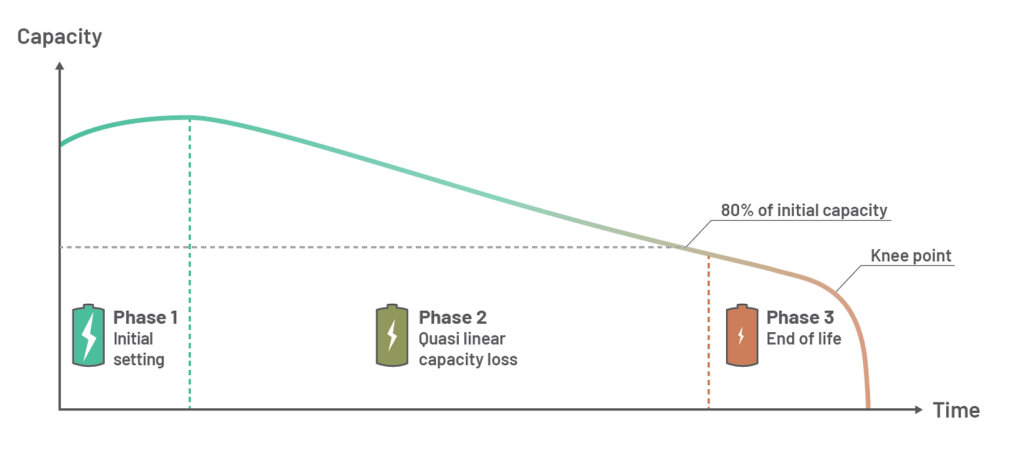
Types of Battery Aging
Battery aging can be categorized into three distinct mechanisms:
- Calendric Aging: Occurs naturally over time regardless of battery usage. Much like humans age even when inactive, batteries degrade slowly through chemical processes even when sitting unused. Temperature and state of charge significantly influence calendric aging rates.
- Cyclic Aging: Results from the repetitive stress of charge-discharge cycles. Each cycle causes a small amount of degradation to the battery structure. The depth of discharge, charging speed, and operating temperature all affect how quickly cyclic aging progresses.
- Reversible Aging: Unlike the permanent degradation of the other types, reversible aging involves temporary capacity losses that can be partially recovered through proper maintenance. The anode overhang effect is a prime example, where lithium stored in inactive areas can be reactivated.
Causes of Battery Aging
Battery aging is a complex process influenced by multiple factors, including chemical degradation, temperature effects, charging behaviors, and material wear. These factors contribute to reduced capacity, increased internal resistance, and overall performance decline.
1. Chemical Reactions and Decomposition
The core of battery aging lies in the chemical reactions occurring inside the cell. Over time, these reactions degrade the internal structure, reducing performance.
Growth of Surface Electrolyte Interphase (SEI)
- The SEI layer forms on the anode during initial charging cycles.
- This layer thickens over time, trapping lithium ions and reducing battery capacity.
- SEI growth increases internal resistance, slowing charge and discharge rates.
Cracking and Corrosion of Electrodes
- Repeated charging and discharging create stress on the electrodes.
- This stress leads to cracks in electrode materials, reducing conductivity.
- Corrosion from electrolyte reactions weakens electrodes, further accelerating degradation.
2. Effects of Temperature
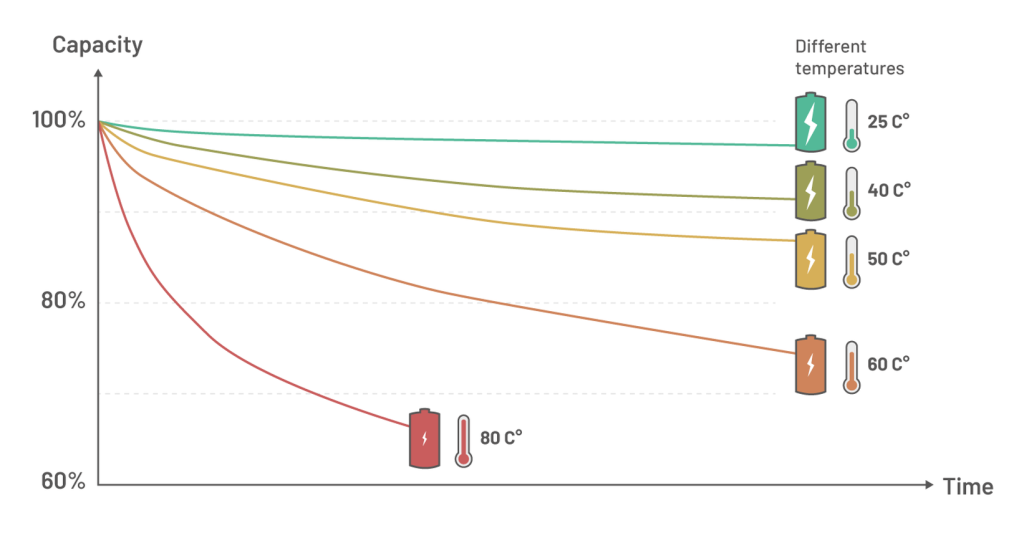
Temperature plays a crucial role in battery aging, with both high and low temperatures contributing to faster degradation.
| Temperature Condition | Effect on Battery Aging |
|---|---|
| High Temperatures (>30°C) | Accelerates chemical reactions, SEI growth, and electrolyte decomposition |
| Optimal Range (15-25°C) | Minimizes aging effects while maintaining performance |
| Low Temperatures (<10°C) | Increases risk of lithium plating, damages electrode structures |
3. Charge and Discharge Patterns
How a battery is charged and discharged significantly impacts its lifespan.
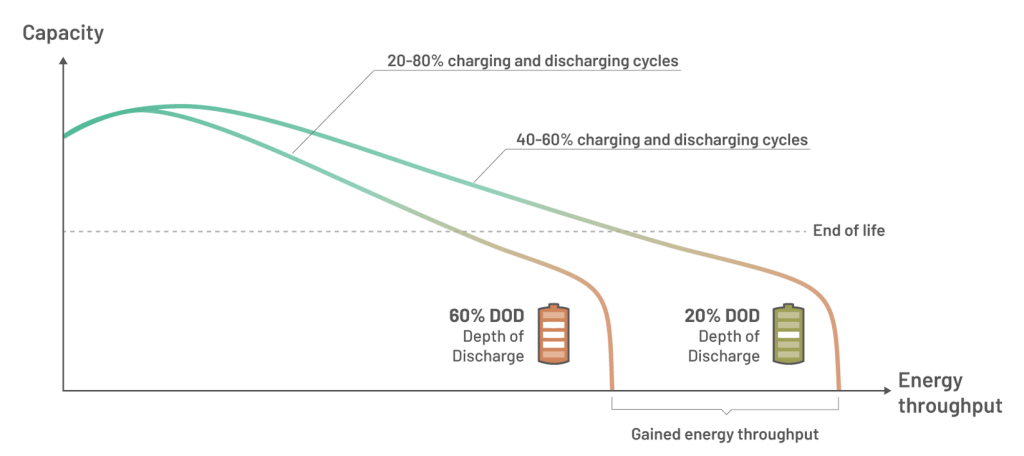
High C-Rates and Deep Discharges Accelerate Aging
- High C-rate charging (fast charging) generates heat, causing stress on battery materials.
- Deep discharges (below 20% SOC) cause structural damage to electrodes.
- Frequent full charges (100%) and full discharges (0%) shorten battery life.
Optimal SOC Ranges for Longevity
- Ideal charge range: 20%–80% SOC (State of Charge).
- Avoid keeping a battery at 100% for long periods.
- Using smart charging technology can help regulate SOC for longer battery health.
4. Battery Material Degradation
Each component within a battery experiences unique aging mechanisms:
- Negative Electrode: Undergoes volume changes during cycling, causing mechanical stress, particle fracture, and SEI film growth.
- Positive Electrode: Suffers structural collapse over time, limiting lithium ion intercalation capabilities.
- Electrolyte: Decomposes through oxidation reactions, forming compounds that limit mass transfer and increase internal resistance.
- Separator: Experiences pore blockage from decomposition products and potential puncturing from lithium metal dendrites.
- Current Collectors: Copper collectors can oxidize during over-discharge events, while aluminum collectors may corrode due to electrolyte decomposition products.
5. Manufacturing and Usage Variability
Inconsistencies in battery production and operation create significant variation in aging rates:
- Manufacturing Differences: Subtle variations in materials and production processes create internal inconsistencies between cells.
- Operational History: Individual usage patterns, charging habits, and environmental exposure create unique aging profiles for each battery.
- Cell Imbalance: In multi-cell systems, voltage and capacity inconsistencies cause some cells to reach critical thresholds earlier, accelerating their aging.
Signs of Battery Aging
As batteries age, they exhibit noticeable performance issues that impact efficiency and reliability. Identifying these signs early can help users take proactive steps to extend battery life and prevent unexpected failures.
1. Reduced Capacity (Shorter Runtime)
One of the most apparent signs of battery aging is reduced capacity. Over time, batteries lose their ability to hold a full charge, leading to shorter operating times. For instance:
- A smartphone that once lasted 12 hours may now last only 6 hours.
- An electric vehicle (EV) may experience a reduced driving range.
- Home energy storage systems may provide less backup power.
2. Longer Charging Time
Aging batteries take longer to charge due to increased internal resistance. As the resistance rises:
- More energy is lost as heat during charging.
- The battery struggles to reach full charge efficiently.
- Fast charging becomes less effective over time.
3. Fluctuating Battery Levels
A sudden drop in battery percentage is a strong indication of degradation. Users may notice:
- Rapid depletion from 50% to 10% in minutes.
- Battery percentages jumping up or down unexpectedly.
- Devices shutting down despite showing remaining charge.
4. Physical Changes (Swelling, Leakage)
Physical deformations such as battery swelling or leakage indicate severe aging and potential safety hazards. Causes include:
- Gas buildup due to electrolyte decomposition.
- Internal short circuits leading to overheating.
- Structural damage from prolonged stress cycles.
⚠️ Warning: A swollen or leaking battery poses a fire hazard and should be replaced immediately.
5. Increased Heat Generation
As batteries degrade, they generate more heat during charging and use. High internal resistance forces the battery to work harder, leading to:
- Overheating, even during regular use.
- More noticeable heat while charging.
- Higher risks of thermal runaway in extreme cases.
6. Voltage Drop and Power Loss
Voltage drop occurs when an aged battery can no longer maintain a stable power supply. This results in:
- Lower performance in power-demanding applications.
- Frequent reboots in electronics due to unstable voltage.
- Reduced efficiency in EV acceleration or high-power tasks.
7. Unexpected Shutdowns
A deteriorating battery may cause random shutdowns, even when the charge level appears sufficient. This happens because:
- The battery can no longer deliver the required power under load.
- Sudden voltage drops force devices to turn off.
- The system misreads the actual battery capacity.
Factors Accelerating Battery Aging
Several factors can speed up the aging process of lithium-ion batteries, reducing their lifespan and performance. By understanding these factors, users can adopt better practices to extend battery life.
1. High Temperatures
Heat is one of the biggest enemies of battery longevity. Excessive temperatures accelerate chemical reactions inside the battery, leading to:
- Faster decomposition of electrolytes
- Increased internal resistance, reducing efficiency
- Higher risk of thermal runaway, which can cause battery failure
2. Overcharging and Deep Discharging

Allowing a battery to stay at 100% charge for long periods or draining it to 0% can cause permanent damage. Effects include:
- Stress on electrode materials
- Faster capacity degradation
- Increased risk of lithium plating
3. Frequent Charge Cycles
Each charge and discharge cycle contributes to battery wear. Batteries designed for 500-1000 cycles degrade faster when frequently charged.
- Small, frequent charges are better than complete charge cycles.
- Rapid cycling increases electrode stress.
4. Poor Quality Chargers
Using non-certified or low-quality chargers can negatively impact battery life by:
- Delivering inconsistent voltage and current
- Causing overheating due to poor power regulation
- Increasing charging inefficiency
5. Physical Damage
Dropping or puncturing a battery can cause:
- Internal short circuits, leading to overheating
- Ruptured separator membranes, increasing fire risk
- Leakage of toxic electrolytes
Best Practice: Handle batteries carefully and replace damaged ones immediately.
6. Improper Storage Conditions
Incorrect storage accelerates aging, especially when batteries are stored:
- Fully charged for extended periods
- In high humidity environments
- At extreme temperatures
7. Fast Charging Effects
Fast charging is convenient but accelerates battery aging due to:
| Fast Charging Effect | Impact on Battery |
|---|---|
| Increased Heat Generation | Overheating and stress on internal components |
| Higher Risk of Lithium Plating | Formation of lithium deposits, reducing battery lifespan |
How to Slow Down Battery Aging and Extend Battery Life
Battery aging is inevitable, but proper care and usage strategies can significantly slow down degradation and extend battery lifespan. Below are key best practices for different battery applications.
1. General Best Practices
Applying these habits to all battery-powered devices can help maintain their performance and longevity:
- Avoid extreme temperatures
- Keep batteries away from excessive heat and cold.
- Ideal storage temperatures: 15-25°C (59-77°F).
- Maintain an optimal charge range
- Avoid keeping batteries at 100% state of charge (SOC) for long periods.
- Best SOC range: 20-80% for daily use.
- Use manufacturer-recommended chargers
- Cheap, unregulated chargers can cause overheating and poor charging efficiency.
- Avoid full discharge cycles
- Frequent deep discharges (0%) stress battery materials.
- Try partial charging instead of full charge cycles.
2. Best Practices for Electric Vehicles (EVs)
EV batteries are expensive, so adopting proper habits can prolong battery life and optimize performance.
| Tip | Benefit |
|---|---|
| Smart charging strategies | Avoids prolonged high SOC, reduces stress on battery |
| Avoid frequent fast charging | Lowers heat generation and lithium plating risk |
| Maintain moderate SOC during storage | Reduces long-term degradation when EV is idle |
- Use scheduled charging to avoid staying at high SOC overnight.
- Only fast charge when necessary—slow charging is gentler on the battery.
- If storing for long periods, keep SOC around 50%.
3. Best Practices for Utility-Scale Energy Storage
Large-scale battery systems require optimization to maximize performance and lifespan.
- Optimize charge-discharge cycles
- Avoid deep discharges and keep within recommended SOC ranges.
- Implement battery aging-aware software
- Software can manage battery cycles efficiently to minimize degradation.
- Use digital twin models
- Predictive analytics help simulate and prevent excessive wear.
4. Best Practices for Home Storage Systems
Home energy storage batteries, such as solar battery backups, require careful SOC management.
- Reduce time spent at high SOC
- If not in immediate use, lower SOC to 50-80%.
- Implement predictive battery analytics
- Smart software can adjust SOC dynamically based on energy demand.
5. Best Practices for Consumer Electronics
Phones, laptops, and power tools can benefit from small habit changes that significantly extend battery life.
| Device | Best Practices |
|---|---|
| Smartphones/Tablets | Charge in the morning instead of overnight |
| Laptops | Keep SOC between 50-80% when plugged in |
| E-bikes & Power Tools | Store with 40-60% charge for long-term battery health |
- Unplug devices once charged to avoid heat buildup.
- Use battery saver modes where available to optimize power consumption.
Battery Recycling and Second-Life Applications
As batteries age and lose efficiency, they don’t have to be discarded immediately. Instead, they can be repurposed or recycled to minimize waste and maximize resource efficiency. Understanding battery recycling and second-life applications is crucial for sustainability, cost reduction, and environmental protection.
Can Aged Batteries Still Be Used?
Yes, but with limitations. As batteries degrade, their capacity decreases, making them unsuitable for high-performance applications like electric vehicles (EVs). However, they still retain a significant percentage of their original capacity (typically 60-80%), making them useful for other applications such as stationary energy storage.
Common second-life applications for aged batteries:
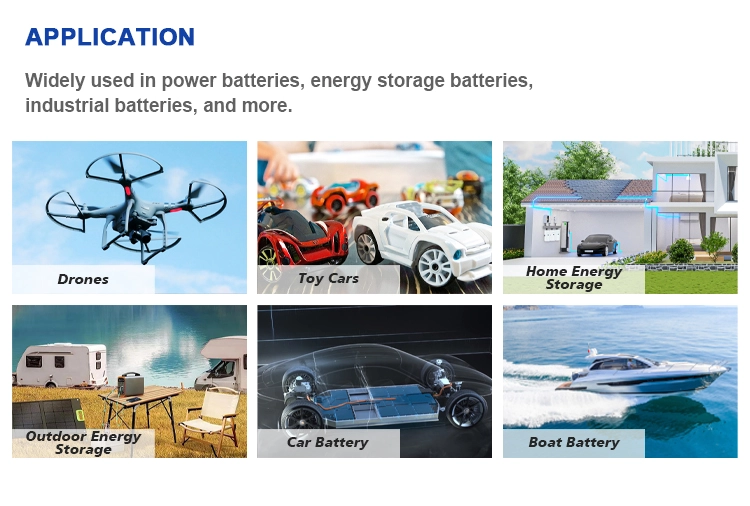
- Home and commercial energy storage (storing solar or wind energy)
- Backup power systems for buildings and industrial sites
- Low-power applications such as street lighting and emergency backup systems
How Old EV Batteries Are Repurposed for Energy Storage
One of the most promising second-life applications for EV batteries is energy storage systems.
Instead of being scrapped, used EV batteries can be reconfigured into battery banks that help store and distribute renewable energy.
How the Repurposing Process Works:
- Battery Testing: Old EV batteries are tested for remaining capacity and efficiency.
- Reassembly: Healthy cells are grouped together to form new battery packs.
- Deployment: These repurposed batteries are used in solar power storage, grid stabilization, and backup energy solutions.
| EV Battery Condition | Recommended Second-Life Use |
|---|---|
| 80%+ capacity remaining | Residential and commercial energy storage |
| 60-80% capacity remaining | Grid-scale energy storage, emergency power |
| Below 60% capacity | Recycled for material recovery |
The Importance of Battery Recycling for Sustainability
Recycling batteries prevents hazardous waste and recovers valuable materials like lithium, cobalt, and nickel. Extracting these materials from old batteries reduces dependence on mining, which has environmental and ethical concerns.
Benefits of battery recycling:
- Reduces environmental pollution from battery waste
- Conserves finite natural resources
- Lowers production costs for new batteries
- Decreases reliance on harmful mining practices
Regulations and Industry Efforts to Reduce Battery Waste
Governments and industries worldwide are strengthening regulations and investing in battery recycling infrastructure to reduce waste.
Key Industry and Government Initiatives:
- Extended Producer Responsibility (EPR): Manufacturers must manage the recycling of their batteries.
- EU Battery Regulation: Requires battery recycling and material recovery targets.
- US Department of Energy (DOE) Programs: Funding research on battery recycling technology.
- China’s Battery Recycling Policy: Mandates EV manufacturers to implement take-back and recycling systems.
Conclusion
Battery aging is caused by chemical reactions, temperature, charge cycles, and material degradation. Over time, capacity decreases and performance declines.
To extend battery life, avoid extreme temperatures, full discharges, and poor-quality chargers. Maintain optimal charge levels (20-80%) and use manufacturer-recommended accessories.
Recycling and second-life applications reduce waste and recover valuable materials. Responsible battery usage supports sustainability and lowers environmental impact.
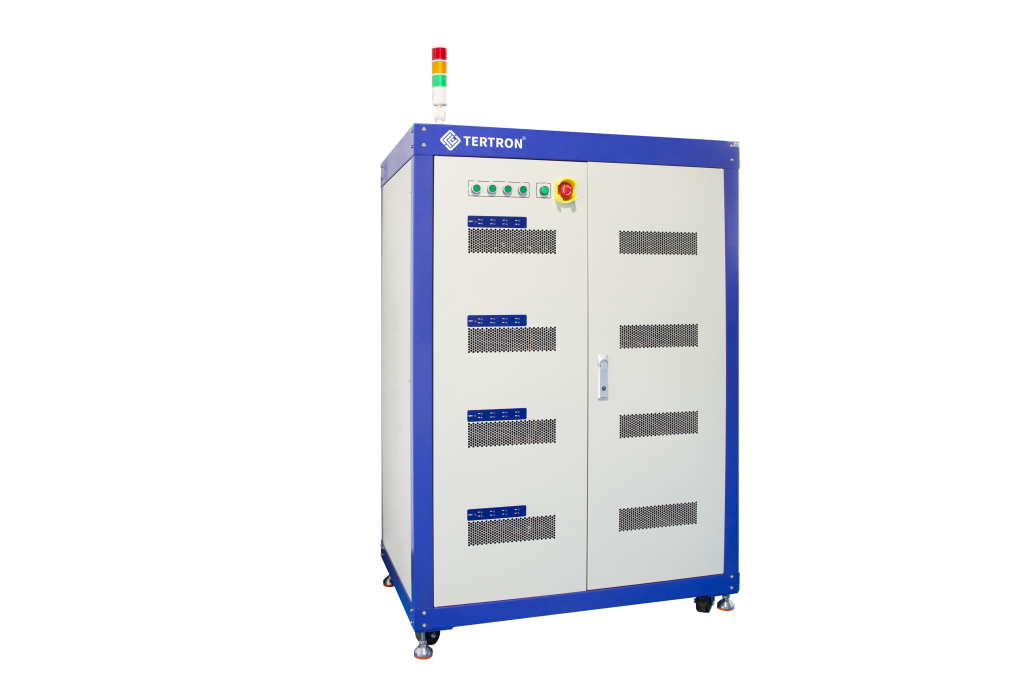
TERTRON is a leading battery aging machine manufacturer in China, providing reliable and efficient battery aging equipment, which is widely used in lithium battery testing. The company provides complete turnkey engineering services, 24/7 after-sales support, and customized battery aging test solutions to ensure battery quality and safety.
FAQs
Q: What is the 20 80 rule for batteries?
A: The 20-80 rule refers to maintaining battery state of charge (SOC) between 20% and 80% to maximize lifespan. The article indicates that batteries operating in this mid-range experience significantly less aging compared to those frequently charged to 100% or discharged below 20%. This optimal charge range balances usable capacity with longevity.
Q: Is 1 battery drain in 3 minutes normal?
A: No, extremely rapid battery drain in minutes is abnormal and indicates severe battery degradation. Healthy batteries should discharge gradually based on their capacity and load. Such rapid depletion suggests critical issues like internal shorts, extreme aging, or physical damage requiring immediate battery replacement.
Q: Is charging 100 percent good or bad?
A: Consistently charging to 100% accelerates battery aging. The article notes that high SOC levels, especially above 90%, cause significant stress on battery components. This is why many EV manufacturers require users to manually confirm charging to 100% – it’s a cautionary step that acknowledges the resulting accelerated degradation.
Q: What causes a battery to age?
A: Multiple mechanisms cause battery aging: SEI layer growth that binds lithium ions, electrode material degradation, electrolyte decomposition, exposure to high temperatures, deep discharge cycles, excessive charging rates, and physical stress. These factors combine to increase internal resistance and decrease capacity over time.
Q: Can battery aging be reversed?
A: Most battery aging is irreversible, but the article mentions “reversible aging” like the anode overhang effect, where lithium stored in non-active parts of the anode can be recovered. However, the primary aging mechanisms (SEI growth, structural changes, material loss) are permanent and cannot be reversed once they occur.
Q: Why do some batteries degrade faster than others?
A: Degradation rate variations stem from manufacturing inconsistencies, usage patterns (temperature exposure, charge rates, discharge depths), charge management quality, and material differences. Even batteries from the same production batch can age differently based on their operational environment and how they’re charged and discharged.
Q: What is the best way to store a battery to slow down aging?
A: Store batteries at moderate charge levels (20-50%), in cool but not freezing temperatures (15-25°C), and away from extreme conditions. For long-term storage of devices like e-bikes, discharge to 20-50% before storing. Avoid storing fully charged as this significantly accelerates aging processes.
Q: Do battery saver apps actually help?
A: The article doesn’t specifically address battery saver apps but emphasizes physical factors (temperature, charging patterns) as primary determinants of battery longevity. Apps that help maintain moderate SOC levels and prevent overcharging would align with the article’s recommendations for extending battery life.
Q: Is it bad to leave devices charging overnight?
A: Yes, the article specifically recommends against overnight charging. It suggests charging in the morning during activities like showering or breakfast instead, as overnight charging leaves batteries at 100% SOC for extended periods, significantly accelerating aging mechanisms and reducing overall battery lifespan.
Q: How does extreme cold impact battery aging?
A: Extreme cold slows electrochemical reactions but increases lithium plating risk, which can damage separators and electrodes. Cold temperatures create higher internal resistance, reduce charging efficiency, and cause non-uniform current distribution within cells. While cold storage reduces calendar aging, operating batteries in freezing conditions can cause permanent damage.