
How much does a car battery weigh? You might not think about it often, but battery weight affects your car’s performance, fuel efficiency, and handling. A heavier battery can improve power and durability, but a lighter one enhances efficiency and ease of installation.
Car battery weight depends on several factors, including battery type, capacity, and vehicle requirements. Standard lead-acid batteries weigh around 30-50 lbs, while lithium-ion options are much lighter. Electric vehicle batteries, however, can weigh over 1,000 lbs.
In this guide, you’ll learn how different battery types compare, why weight matters, and how to choose the right battery for your car.
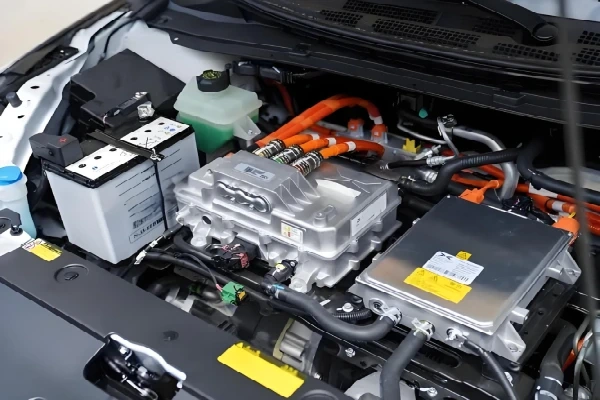
Why Does Car Battery Weight Matter?
Battery weight affects far more than just your vehicle’s power supply. It impacts overall performance, efficiency, handling, and even safety. Understanding these effects helps car owners make better decisions about battery selection and placement.
Impact on Fuel Efficiency
Battery weight directly influences how much fuel your vehicle consumes. Every extra pound requires additional energy to move, affecting efficiency in several ways:
- Increased Energy Demand: Heavier batteries force engines to work harder, consuming more fuel during acceleration
- Reduced Range: Electric vehicles lose approximately 1% of range for every 1% increase in weight
- Long-term Consumption: A battery weighing 10 pounds more than necessary could waste gallons of fuel annually
A lightweight lithium-ion battery can save 20-40 pounds compared to a traditional lead-acid battery. This reduction improves fuel economy by 1-2% in conventional vehicles and extends driving range by 2-5% in electric models.
Effects on Vehicle Performance and Handling
Battery weight significantly impacts how your car drives and responds:
Acceleration: Lighter batteries improve acceleration performance – removing unnecessary weight lets engines focus power on forward momentum rather than moving excess mass.
Braking Distance: Every 100 pounds affects stopping distance by approximately 3-5 feet at highway speeds. Lighter batteries help vehicles brake more efficiently.
Handling Responsiveness: Excess weight dulls steering response and increases body roll during cornering. Performance vehicles often use lightweight batteries to maintain agility.
Suspension Wear: Heavier batteries increase strain on suspension components, potentially leading to premature wear of shocks, struts, and bushings.
How Weight Distribution Affects Safety and Stability
The placement and weight of your battery influence your vehicle’s balance and stability:
┌────────────────────────────────────┐
│          Weight Distribution       │
├────────────────┬───────────────────┤
│ Front-Heavy    │ Understeer        │
│ Rear-Heavy     │ Oversteer         │
│ Balanced       │ Neutral Handling  │
└────────────────┴───────────────────┘
Many high-performance vehicles place batteries in the trunk rather than under the hood to achieve better weight distribution. This strategic positioning moves approximately 40 pounds from the front to the rear, balancing weight across all four wheels.
Electric vehicles benefit from battery placement too. Their heavy battery packs sit low in the chassis, lowering the center of gravity by several inches. This design creates exceptional stability during cornering and emergency maneuvers, reducing rollover risk significantly.
How Battery Weight Affects Longevity and Durability
Battery weight relates closely to durability factors:
- Support Structure Requirements: Heavier batteries need stronger mounting brackets and support systems to prevent movement
- Vibration Resistance: Excessive weight amplifies vibration effects, potentially damaging internal components
- Heat Management: Larger, heavier batteries store more heat, potentially shortening lifespan in hot climates
- Installation Risks: Technicians face greater injury risks when handling heavier batteries, potentially leading to improper installation
The relationship between weight and durability varies by battery type:
| Battery Type | Weight (lbs) | Average Lifespan | Durability Features |
|---|---|---|---|
| Lead-Acid | 30-50 | 3-5 years | Simple construction, susceptible to vibration |
| AGM | 30-45 | 4-7 years | Better vibration resistance, spill-proof |
| Lithium-Ion | 10-20 | 5-8+ years | Lightweight, excellent vibration tolerance |
For optimal battery performance and vehicle handling, select the lightest battery meeting your power requirements. Consider both immediate benefits (improved handling, fuel savings) and long-term advantages (reduced wear on suspension components, easier maintenance).
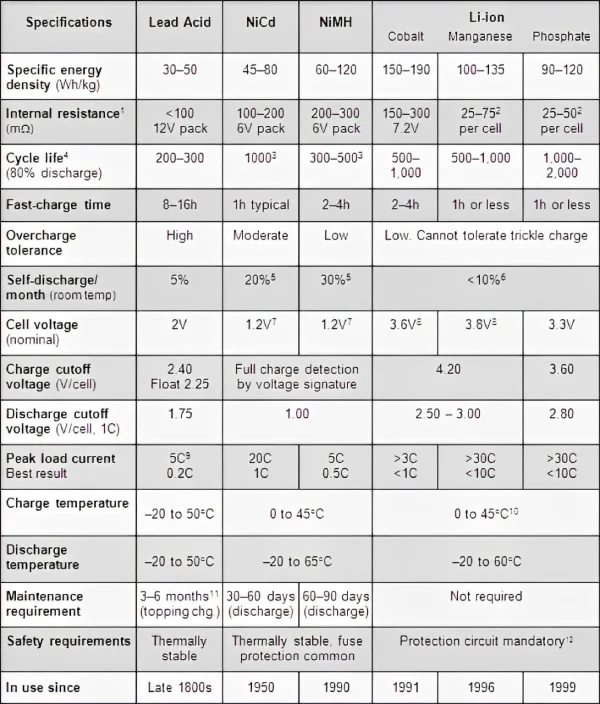
Car Battery Weight by Type
Different car battery types vary in weight due to materials, construction, and technology. Choosing the right type affects performance, durability, and efficiency. Below is a breakdown of the most common battery types and their typical weights.
1. Lead-Acid Battery Weight
Typical weight range: 30-50 lbs (13.6-22.7 kg)
Lead-acid batteries dominate the automotive market due to reliability and affordability. These batteries weigh significantly more than other types because of their internal components.
Why lead-acid batteries are heavier:
- Dense lead plates store electrical energy
- Heavy sulfuric acid electrolyte solution
- Thick plastic casing for durability
- Traditional design prioritizes reliability over weight
A typical Group 24 lead-acid battery weighs 43-57 pounds, while a Group 35 battery ranges from 31-50 pounds. This weight comes from proven technology dating back over a century.
Pros and cons of lead-acid batteries:
| Pros | Cons |
|---|---|
| Affordable (lowest initial cost) | Heaviest battery option |
| Widely available | Requires maintenance |
| Reliable cold-weather starting | Shorter lifespan (3-5 years) |
| High cranking power | Adds significant vehicle weight |
| Recyclable (99% can be recovered) | Susceptible to vibration damage |
2. AGM (Absorbent Glass Mat) Battery Weight
Weight range: 30-45 lbs (13.6-20.4 kg)
AGM batteries represent an evolution of lead-acid technology, offering improved performance while maintaining similar weight profiles.
How AGM batteries compare to standard lead-acid batteries:
AGM batteries weigh approximately 5-10% less than traditional flooded lead-acid batteries while delivering superior performance. They contain the same basic components but utilize a different construction method.
Instead of free-flowing liquid, AGM batteries use fiberglass mats soaked in electrolyte solution. This design change slightly reduces weight while dramatically improving durability and performance.
Benefits of AGM technology:
- Spill-proof design – electrolyte absorbed in glass mats
- Superior vibration resistance – internal components secured by mats
- Faster charging – up to 5x quicker than traditional lead-acid
- Longer service life – typically 4-7 years versus 3-5 for standard batteries
- Maintenance-free operation – never requires water addition
AGM batteries cost 40-100% more than standard lead-acid batteries but offer better value through longer lifespan and improved reliability.
3. Gel Battery Weight
Weight range: 30-40 lbs (13.6-18.1 kg)
Gel batteries utilize a silica-based gel electrolyte instead of liquid solution or glass mats. They typically weigh slightly less than comparable AGM or standard lead-acid options.
Differences between gel and AGM batteries:
Both technologies evolved from traditional lead-acid designs, but gel batteries use thickened electrolyte while AGM batteries absorb liquid into fiberglass mats. This key difference affects performance characteristics:
┌─────────────────┬────────────────┬───────────────┐
│ Feature         │ Gel Battery    │ AGM Battery   │
├─────────────────┼────────────────┼───────────────┤
│ Electrolyte     │ Silica gel     │ Glass mat     │
│ Discharge rate  │ Slower         │ Faster        │
│ Charging needs  │ More sensitive │ More flexible │
│ Weight          │ 30-40 lbs      │ 30-45 lbs     │
│ Heat tolerance  │ Excellent      │ Good          │
└─────────────────┴────────────────┴───────────────┘
Best use cases for gel batteries:
- Marine applications (boats, watercraft)
- Recreational vehicles
- Off-grid solar systems
- Equipment used on uneven terrain
- Hot climate applications
Gel batteries excel in situations requiring slow, steady power discharge rather than high-amperage starting applications. They resist extreme temperatures better than other battery types.
4. Lithium-Ion Car Battery Weight
Weight range: 10-20 lbs (4.5-9.1 kg)
Lithium-ion batteries revolutionize automotive power storage through dramatically reduced weight. They weigh 60-70% less than traditional lead-acid batteries while delivering comparable or superior performance.
Why lithium-ion batteries are significantly lighter:
- Use lightweight lithium compounds instead of heavy lead
- No heavy liquid electrolyte
- More efficient energy storage requires less material
- Advanced design eliminates unnecessary structural components
A Group 35 lithium battery weighs approximately 16 pounds compared to 40+ pounds for a lead-acid equivalent. This weight reduction significantly impacts vehicle performance and fuel efficiency.
Benefits and drawbacks of lithium-ion batteries:
| Benefits | Drawbacks |
|---|---|
| Extremely lightweight | Higher initial cost (2-4x lead-acid) |
| Longest lifespan (5-8+ years) | More complex charging requirements |
| Fastest charging capability | Temperature sensitivity (extreme cold) |
| Excellent vibration resistance | Requires electronic management system |
| No maintenance needed | Less widespread recycling infrastructure |
Lithium-ion batteries dominate the electric vehicle market and increasingly appear in high-performance conventional vehicles where weight reduction significantly improves handling and acceleration.

Car Battery Weight by Vehicle Type
Car battery weight varies depending on vehicle type, model, and battery capacity. Compact cars need lighter batteries, while SUVs, trucks, and EVs rely on heavier power sources. Choosing the right battery weight ensures optimal performance, efficiency, and longevity.
How Battery Weight Varies by Car Model and Category
Vehicle manufacturers select batteries based on specific power requirements. Smaller economy cars typically use lighter batteries, while luxury vehicles packed with electronics need more robust power sources.
The relationship between vehicle type and battery weight follows logical patterns:
- Economy cars: Lightweight batteries (30-40 lbs)
- Luxury sedans: Mid-weight batteries (40-50 lbs)
- Performance vehicles: Ultra-lightweight batteries (10-25 lbs)
- SUVs and trucks: Heavy-duty batteries (50-70 lbs)
- Hybrid vehicles: Specialized battery systems (100-300 lbs)
- Electric vehicles: Massive battery packs (1,000-2,000+ lbs)
The Influence of Battery Capacity on Weight
Battery capacity directly affects weight. Higher capacity batteries contain more active materials to store electricity. This relationship appears across all battery technologies:
| Capacity (Ah) | Typical Weight Range |
|---|---|
| 40-60 Ah | 25-35 pounds |
| 70-90 Ah | 35-45 pounds |
| 100+ Ah | 45-60+ pounds |
Each 10 Ah increase typically adds 3-5 pounds to battery weight. When choosing replacement batteries, balance capacity needs against weight considerations.
1. Standard Gas-Powered Cars
Typical weight range: 30-50 lbs (13.6-22.7 kg)
Most conventional passenger vehicles use standard lead-acid batteries weighing between 30-50 pounds. These batteries store enough energy to start engines reliably while powering basic electronics.
Common battery group sizes and their weights:
- Group 24: 43-57 lbs – Common in older American vehicles
- Group 35: 31-50 lbs – Frequently used in Japanese vehicles
- Group 47/H5: 32-47 lbs – Popular in European cars
- Group 51: 26-35 lbs – Common in compact Asian cars
- Group 65: 45-57 lbs – Used in many American cars and SUVs
Standard vehicles balance power needs against weight considerations. Manufacturers position batteries to optimize weight distribution while ensuring adequate starting power in various conditions.
2. Lightweight Performance Vehicles
Weight range: 10-25 lbs (4.5-11.3 kg)
Performance and sports cars often utilize specialized lightweight batteries to maximize speed and handling. These vehicles prioritize weight reduction in every component.
Why sports cars and high-performance vehicles use lightweight batteries:
- Improved acceleration: Every 10 pounds saved improves 0-60 mph times
- Better handling: Lighter front end enhances steering response
- Enhanced braking: Reduced weight shortens stopping distances
- Increased efficiency: Less weight means better fuel economy
- Optimized weight distribution: Strategic battery placement balances the chassis
Many performance vehicles use lithium-ion batteries weighing 60-70% less than traditional lead-acid options. A Group 35 lithium battery weighs just 16 pounds compared to 40+ pounds for lead-acid equivalents.
Some high-performance models relocate batteries to the trunk or rear compartment, balancing weight distribution for superior handling characteristics.
3. Hybrid Vehicle Battery Weight
Typical weight range: 100-300 lbs (45-136 kg)
Hybrid vehicles employ sophisticated battery systems significantly heavier than conventional car batteries. These vehicles use two distinct battery systems:
- A standard 12-volt battery (26-41 lbs) for starting and electronics
- A high-voltage battery pack (100-300 lbs) for electric propulsion
Why hybrid vehicles need heavier batteries:
Hybrid batteries must store substantial energy to power electric motors. They undergo thousands of charge-discharge cycles, requiring robust construction and thermal management systems. Their size represents a compromise between weight, range, and performance.
How battery size impacts hybrid vehicle efficiency:
┌───────────────────┬────────────────────┬───────────────────┐
│ Battery Size      │ Electric Range     │ Fuel Economy      │
├───────────────────┼────────────────────┼───────────────────┤
│ 100-150 lbs       │ 1-2 miles          │ Good              │
│ 150-200 lbs       │ 5-15 miles         │ Better            │
│ 200-300 lbs       │ 20-30+ miles       │ Best              │
└───────────────────┴────────────────────┴───────────────────┘
Manufacturers carefully balance battery weight against fuel economy benefits. Larger batteries improve electric driving range but add weight penalties affecting overall efficiency.
4. Electric Vehicle (EV) Battery Weight
Typical weight range: 1,000-2,000 lbs (450-900 kg)
Electric vehicle batteries represent the heaviest automotive batteries by far. These massive battery packs can weigh as much as an entire small car.
Why EV batteries are so heavy:
- Energy storage requirements: EVs need 60-100 kWh capacity for adequate range
- Thousands of individual cells: Each Tesla Model S contains 7,000+ battery cells
- Cooling systems: Complex thermal management prevents overheating
- Structural protection: Heavy shielding protects batteries in crashes
- Power electronics: Inverters and control systems add substantial weight
The Tesla Model S battery weighs approximately 1,200 pounds (544 kg), while the Chevrolet Bolt’s battery weighs around 960 pounds (435 kg).
Impact of battery weight on EV range and performance:
EV manufacturers strategically place these heavy batteries beneath the passenger compartment, creating a low center of gravity. This placement improves handling despite the significant weight. However, battery weight remains a major limiting factor in EV efficiency and range.
Newer EV models increasingly use battery weight as a structural component, integrating cells into the vehicle chassis to improve rigidity while reducing overall weight.
5. SUV & Truck Battery Weight
Weight range: 50-70 lbs (22.7-31.8 kg)
Larger vehicles require robust batteries to power their bigger engines and numerous accessories. SUVs and trucks typically use heavy-duty batteries weighing 50-70 pounds.
Why larger vehicles require heavier batteries:
- Higher cranking power: Larger engines need more starting current
- Increased electrical demands: Power for winches, lighting, and accessories
- Greater reserve capacity: Extended operation of accessories when parked
- Temperature resilience: Better performance in extreme conditions
- Durability requirements: Withstand off-road vibration and impacts
Many trucks and SUVs use Group 65 or Group 31 batteries with weights exceeding 55 pounds. Commercial trucks often employ even heavier batteries for reliability in demanding conditions.

What Factors Affect Car Battery Weight?
Car battery weight depends on capacity, size, materials, construction, and manufacturer specifications. Understanding these factors helps in selecting the right battery for performance, longevity, and efficiency.
Battery Capacity (Ah Rating)
Battery capacity, measured in amp-hours (Ah), determines how much energy it can store and deliver over time. Higher Ah ratings mean more internal plates and heavier weight.
| Battery Type | Typical Ah Range | Weight Impact |
|---|---|---|
| Standard Lead-Acid | 35 – 75 Ah | Heavier with higher Ah |
| AGM | 40 – 100 Ah | Compact but still heavy |
| Lithium-Ion | 10 – 60 Ah | Lighter even at high Ah |
✅ Higher Ah provides longer-lasting power
❌ Heavier batteries strain vehicle components
Battery Group Size and Dimensions
The BCI (Battery Council International) group size affects weight, terminal placement, and compatibility. Larger group sizes generally weigh more due to increased plate surface area and electrolyte volume.
Common Battery Group Sizes and Their Weights
| Group Size | Dimensions (inches) | Typical Weight (lbs) |
|---|---|---|
| 24F | 10.25 x 6.81 x 8.88 | 40 – 50 |
| 35 | 9.06 x 6.94 x 8.88 | 30 – 40 |
| 65 | 12.06 x 7.5 x 7.56 | 45 – 55 |
| 78 | 10.25 x 7.06 x 7.69 | 50 – 60 |
Larger group sizes offer higher power output but add weight. Compact sizes benefit smaller vehicles and lightweight performance models.
Material Composition (Lead, Lithium, AGM, etc.)
Battery weight depends on internal materials. Lead-acid batteries, the heaviest, use dense lead plates, while lithium-ion options are significantly lighter.
Comparison of Battery Materials and Weight
| Battery Type | Primary Materials | Weight Characteristics |
|---|---|---|
| Lead-Acid | Lead plates, sulfuric acid | Heavy but reliable |
| AGM | Fiberglass mat, lead | Lighter than flooded lead-acid |
| Gel | Silica-based electrolyte, lead | Similar to AGM, slightly lighter |
| Lithium-Ion | Lithium cells, electronic controllers | Lightest, high energy density |
✅ Lithium-ion reduces vehicle weight, improves efficiency
❌ Lead-acid batteries, though heavier, are affordable
Battery Casing and Construction
The outer casing affects both weight and durability.
- Plastic casings (common in lead-acid) reduce weight but offer less protection.
- Metal-reinforced casings (common in deep-cycle and lithium-ion) increase strength and impact resistance.
- Sealed designs (AGM, gel, lithium-ion) are more compact and slightly lighter than traditional lead-acid.
Comparison of Casing Types
| Casing Material | Weight Impact | Durability |
|---|---|---|
| Standard Plastic | Lightweight | Moderate |
| Reinforced Plastic | Slightly heavier | High |
| Metal Alloy | Heaviest | Very High |
Durable casings improve longevity but add weight. Manufacturers balance strength, heat resistance, and weight efficiency.
Manufacturer Differences
Different brands use varied materials, technologies, and construction methods, leading to weight differences.
Battery Weight Comparison by Brand
| Brand | Average Weight (lbs) | Notable Features |
|---|---|---|
| Bosch | 38 – 50 | High-performance AGM |
| Optima | 40 – 55 | SpiralCell technology, AGM |
| EverStart | 37 – 45 | Affordable, lead-acid |
| DieHard | 30 – 50 | Reliable and long-lasting |
| Odyssey | 45 – 52 | Heavy-duty, deep-cycle |
| AC Delco | 34 – 48 | OEM fit for GM vehicles |
Some brands focus on durability and longevity (Odyssey, Optima), while others prioritize affordability (EverStart).
Key Takeaways
✔ Higher capacity (Ah) = heavier battery
✔ Larger group sizes = more weight
✔ Lead-acid is heaviest, lithium-ion is lightest
✔ Casing material impacts weight and protection
✔ Different brands vary in weight due to design choices
Understanding these factors ensures optimal battery selection, balancing power, weight, and efficiency.

How to Choose the Right Car Battery Based on Weight
Car battery weight affects performance, efficiency, and compatibility. Selecting the right battery ensures reliable starts, proper fit, and long-term cost savings. Below are key factors to consider when choosing a battery based on weight.
1. Understanding Your Vehicle’s Battery Requirements
Each vehicle requires a specific battery size, weight, and power rating. Checking specifications prevents installation issues, performance drops, or premature failure.
Checking Your Owner’s Manual
The owner’s manual lists recommended battery type, group size, and weight range. This ensures proper fit and electrical compatibility.
Key specifications to check:
- Battery group size – Determines physical dimensions.
- Weight range – Ensures proper installation without strain on components.
- Voltage rating – Most vehicles require 12V batteries.
Understanding CCA (Cold Cranking Amps) and Reserve Capacity
| Term | Definition | Why It Matters |
|---|---|---|
| CCA (Cold Cranking Amps) | Power delivered at 0°F (-18°C) for 30 seconds | Ensures reliable cold-weather starts |
| Reserve Capacity (RC) | Minutes battery can sustain 25A load before voltage drops | Important for vehicles with high electrical demand |
Choosing a battery too light or too heavy affects starting power and longevity.
2. Avoiding a Battery That’s Too Heavy or Too Light
Selecting incorrect battery weight impacts performance, handling, and durability.
How Weight Impacts Fit and Function
- Too Heavy: Strains battery tray, mounts, and electrical system.
- Too Light: Lacks power for cold starts or high-demand electronics.
Why Choosing the Wrong Weight Can Lead to Performance Issues
✅ Proper weight maintains vehicle balance and efficiency.
❌ Heavy batteries reduce fuel economy, increase stress on chassis.
❌ Light batteries may struggle to supply enough power in winter.
Choosing the recommended weight ensures optimal power output and longevity.
3. Balancing Performance and Cost
Battery cost depends on weight, technology, and lifespan. Comparing lead-acid, AGM, and lithium-ion helps balance initial cost vs. long-term savings.
Cost Differences Between Battery Types
| Battery Type | Weight (lbs) | Average Cost ($) | Lifespan |
|---|---|---|---|
| Lead-Acid | 30 – 50 | $50 – $150 | 3-5 years |
| AGM | 30 – 45 | $150 – $300 | 4-7 years |
| Lithium-Ion | 10 – 20 | $300 – $1,000 | 8-15 years |
Long-Term Savings vs. Upfront Costs
- Lead-acid batteries: Cheapest but require more replacements.
- AGM batteries: Costlier but last longer, need less maintenance.
- Lithium-ion batteries: High upfront cost, but best for weight savings, lifespan, and performance.
Final Tips for Choosing the Right Battery Weight
✔ Check owner’s manual for recommended weight and group size.
✔ Ensure proper balance between weight, power, and cost.
✔ Avoid overloading battery mounts or choosing underpowered options.
✔ Consider long-term savings, not just initial price.
Choosing the right battery weight improves reliability, efficiency, and vehicle lifespan.
Conclusion
Car battery weight varies by type, capacity, and vehicle. Standard lead-acid batteries weigh 30-50 lbs, while lithium-ion options are much lighter. EV batteries exceed 1,000 lbs due to their high capacity.
Choosing the right battery affects performance, fuel efficiency, and durability. A battery too heavy adds strain to the vehicle, while one too light may lack power. Always check the owner’s manual for weight recommendations.
A well-balanced battery improves handling, starting power, and longevity. Consider cost, energy efficiency, and long-term savings before making a choice. Selecting the right battery ensures optimal performance and reliability.
FAQs About Car Battery Weight
Q: What is the average weight of a car battery?
A: A standard car battery typically weighs between 30 to 50 pounds (13.6 to 22.7 kg). Lead-acid batteries fall on the heavier end of this range, while AGM batteries often weigh 30-45 pounds. Battery weight varies by group size, with Group 24 batteries weighing 43-57 pounds and Group 51 batteries weighing 25-43 pounds.
Q: Does a bigger battery always mean more weight?
A: Not necessarily. While increased capacity (measured in Ah) generally adds weight, battery technology matters more. A 100Ah lead-acid battery weighs significantly more than a 100Ah lithium-ion battery. Modern designs achieve higher power density without proportional weight increases through advanced materials and construction techniques.
Q: Can I replace my lead-acid battery with a lithium-ion one?
A: Yes, but ensure compatibility with your vehicle’s electrical system. Lithium-ion batteries weigh 60-70% less (10-20 pounds) and last longer but cost 2-4 times more. Some vehicles require adapters or programming adjustments. Check physical dimensions, terminal positions, and CCA ratings match your vehicle’s requirements.
Q: How much does a truck battery weigh?
A: Truck and heavy-duty vehicle batteries typically weigh between 50-70 pounds (22.7-31.8 kg). Commercial trucks, buses and farm equipment use Group 31 batteries weighing over 70 pounds. Larger trucks may use batteries weighing 130-190 pounds to handle demanding electrical loads and provide reliable starting power.
Q: What happens if I use a battery that’s too heavy for my car?
A: Excessive battery weight negatively impacts fuel efficiency, acceleration, handling, and suspension components. It disrupts weight distribution, potentially causing uneven tire wear and compromised steering response. The additional strain may lead to premature wear of shocks, struts and other suspension parts, ultimately reducing vehicle performance.
Q: Do electric car batteries weigh more than gas car batteries?
A: Dramatically more. While standard car batteries weigh 30-50 pounds, electric vehicle battery packs weigh 1,000-2,000+ pounds (450-900+ kg). Tesla Model S batteries weigh approximately 1,200 pounds, while Chevrolet Bolt batteries weigh around 960 pounds. EV batteries often comprise 25% of the vehicle’s total weight.
Q: How does battery weight affect towing capacity?
A: Battery weight counts against your vehicle’s payload capacity, potentially reducing maximum towing ability. Heavier batteries leave less available weight for cargo and passengers. For trucks and SUVs that frequently tow trailers, excessively heavy batteries can compromise towing performance and may affect braking distances when hauling maximum loads.
Q: Why do hybrid car batteries weigh less than EV batteries?
A: Hybrid batteries (100-300 pounds) provide supplementary power while EVs rely entirely on battery power. Hybrids use smaller battery packs since they combine electric motors with conventional engines. EV batteries (1,000+ pounds) must store enough energy for 200+ miles of driving, requiring thousands more cells and complex cooling systems.
Q: Are lightweight car batteries worth it?
A: For performance applications, yes. Lithium-ion batteries (10-20 pounds) improve acceleration, handling and fuel efficiency while lasting 5-8+ years versus 3-5 for lead-acid batteries. However, they cost 2-4 times more initially. The value depends on your priorities—performance enthusiasts gain significant benefits while budget-conscious drivers might prefer traditional options.
Q: How can I reduce my car’s battery weight?
A: Replace your lead-acid battery with lithium-ion technology to save 20-40 pounds. Choose AGM batteries for a moderate weight reduction with better performance. Select the correct size battery without excessive capacity for your needs. Relocate the battery to improve weight distribution if appropriate for your vehicle’s design.