
Battery pack design is crucial for electric vehicles (EVs) and energy storage systems. A well-designed battery pack ensures efficiency, safety, and longevity.
But what makes a great battery pack? It’s more than just batteries. It includes cooling systems, management electronics, and structural integrity.
In this post, you’ll learn the fundamentals of battery pack design. We’ll explore its components, configurations, safety measures, and advanced technologies. Whether you’re an engineer or just curious, this guide will help you understand the essentials of building a reliable battery pack.

Battery Power and Capacity
Battery pack performance depends on two key factors: power and capacity.
What is Battery Power?
Battery power refers to the rate at which energy is delivered. It is measured in watts (W) or kilowatts (kW) and determines how quickly a battery can supply energy. High-power batteries are ideal for applications that require sudden energy bursts, such as accelerating an EV.
What is Battery Capacity?
Battery capacity indicates the total amount of energy a battery can store, measured in ampere-hours (Ah) or milliampere-hours (mAh). A higher capacity means the battery can provide energy for a longer period before needing a recharge.
Series vs. Parallel Battery Connections
Battery cells can be connected in series or parallel, affecting voltage and capacity differently.
| Connection Type | Effect on Voltage | Effect on Capacity | Common Applications |
|---|---|---|---|
| Series | Increases (sum of individual cell voltages) | Remains the same | EVs, industrial equipment |
| Parallel | Remains the same | Increases (sum of individual cell capacities) | Backup power, energy storage |
How Series Connections Increase Voltage
When battery cells are connected in series, the total voltage increases while capacity remains unchanged.
Formula:
V_total = V₁ + V₂ + V₃ …
Example: Three 3.7V, 5Ah Li-Ion cells in series → 11.1V, 5Ah pack.
How Parallel Connections Increase Capacity
In a parallel connection, capacity increases while voltage remains the same.
Formula:
C_total = C₁ + C₂ + C₃ …
Example: Three 3.7V, 5Ah Li-Ion cells in parallel → 3.7V, 15Ah pack.
Anatomy of a Battery Pack
A battery pack is more than just a collection of cells—it is a sophisticated system designed to store and deliver energy safely and efficiently. Below, we break down the key components of a battery pack and their functions.
Overview of Battery Pack Components
A battery pack consists of several interconnected parts, each playing a vital role in energy storage and power delivery:
- Battery Cells – The core energy storage units.
- Battery Management System (BMS) – Regulates voltage, temperature, and safety.
- Cooling System – Prevents overheating and maintains efficiency.
- Voltage Regulation & High-Voltage Connectors – Ensures consistent power delivery.
- Enclosure & Housing – Provides structural protection.
- Wiring, Busbars, and Electrical Connectors – Facilitates power transfer.
- Additional Components – Fuses, contactors, and sensors for protection.
Battery Cells: The Core Energy Storage Units
Battery packs are made up of individual cells, which can be arranged in series to increase voltage or in parallel to increase capacity.
Types of Battery Cells
| Cell Type | Advantages | Disadvantages |
|---|---|---|
| Cylindrical Cells | High durability, efficient cooling, widely available | Less space-efficient |
| Prismatic Cells | Space-saving, high energy density | More expensive, harder to cool |
Cell Chemistry and Performance Tradeoffs
Battery cell chemistry affects performance, weight, cost, and longevity:
- Lithium-Ion (Li-Ion) – High energy density, longer life, used in EVs.
- Lead-Acid – Cheap but heavy; mostly for backup power.
- Nickel-Metal Hydride (NiMH) – Moderate performance, used in hybrid vehicles.
Battery Management System (BMS)
A BMS is the “brain” of a battery pack, ensuring safety, efficiency, and longevity.
Key Functions of the BMS
- Cell Balancing – Prevents overcharging and deep discharging.
- Temperature Monitoring – Ensures thermal stability.
- Voltage & Current Regulation – Prevents dangerous fluctuations.
- Fault Detection – Protects against short circuits and failures.
BMS Communication with Vehicle Systems
A BMS communicates with the vehicle’s onboard systems via CAN bus protocols, providing real-time battery health monitoring and optimizing performance.
Battery Cooling and Thermal Management
Why is cooling important?
Battery cells generate heat during charging and discharging. Uncontrolled heat can lead to thermal runaway, reducing battery life and safety.
Liquid vs. Air Cooling Systems
| Cooling Type | Pros | Cons |
|---|---|---|
| Air Cooling | Simple, cost-effective | Less effective for high-power batteries |
| Liquid Cooling | More efficient heat dissipation | More complex and expensive |
Voltage Regulation and High-Voltage Connectors
High-voltage EV battery packs need stable voltage output for efficiency.
- DC-DC Converters regulate power for auxiliary systems.
- High-voltage connectors ensure safe and reliable power transfer.
- Voltage fluctuations are mitigated to prevent damage to the vehicle’s electrical systems.
Enclosure and Housing: Structural Protection
A battery pack enclosure protects against:
- Physical damage (impacts, vibrations).
- Water and dust intrusion (IP-rated casings).
- Extreme temperatures (thermal insulation).
Materials used: Aluminum, steel, or composite materials for strength and lightweight properties.
Wiring, Busbars, and Electrical Connectors
Efficient power transfer relies on high-quality wiring and busbars:
- Busbars distribute power evenly across cells.
- High-current connectors ensure minimal energy loss.
- Insulated cables prevent short circuits.
Other Key Components
Apart from the main parts, additional components enhance safety and efficiency:
- Fuses – Protect against overcurrent and short circuits.
- Contactors – Enable high-voltage switching.
- Sensors – Monitor voltage, temperature, and current.
Key Factors in Battery Pack Design
Designing an efficient and reliable battery pack involves multiple engineering considerations. The following key factors influence performance, safety, and durability.
How to Calculate Voltage and Capacity
- Voltage (V): Total voltage increases when cells are connected in series.
Formula:
[Vtotal=V1+V2+V3+…+Vn] - Capacity (Ah): Total capacity increases when cells are connected in parallel.
Formula:
[Ctotal=C1+C2+C3+…+Cn]
Series vs. Parallel Configurations for Voltage and Capacity Adjustment
| Configuration | Effect on Voltage | Effect on Capacity | Common Use Cases |
|---|---|---|---|
| Series | Increases | Remains the same | EVs, industrial applications |
| Parallel | Remains the same | Increases | Backup power, portable devices |
Battery Chemistry Selection
The choice of battery chemistry significantly impacts energy density, cost, lifespan, and safety.
| Battery Type | Pros | Cons | Applications |
|---|---|---|---|
| Lithium-Ion (Li-Ion) | High energy density, long lifespan | Expensive, sensitive to temperature | EVs, portable electronics |
| Lead-Acid | Affordable, reliable | Heavy, short lifespan | Backup power, industrial systems |
| Nickel-Metal Hydride (NiMH) | Safer than Li-Ion, moderate energy density | Memory effect, lower capacity | Hybrid vehicles, power tools |
Factors Influencing Battery Chemistry Choice
- Application Requirements (e.g., high energy density for EVs).
- Cost vs. Performance Trade-offs.
- Environmental and Safety Regulations.
Energy Density and Weight Considerations
- Why Energy Density Matters
- Higher energy density = longer range in EVs and longer runtime in portable devices.
- Low energy density = bulkier and heavier battery packs.
- How Weight Impacts Battery Performance and Efficiency
- Heavier battery packs reduce vehicle range and increase energy consumption.
- Lightweight packs improve acceleration and efficiency in EVs.
Safety and Protection Mechanisms
A well-designed battery pack includes multiple safety features to prevent failures.
- Overcharge and Over-Discharge Protection
- Prevents damage to battery cells and extends lifespan.
- Short-Circuit and Thermal Runaway Prevention
- Prevents overheating and fires.
- Uses thermal sensors and protective circuits.
- Importance of Battery Management Systems (BMS)
- Monitors temperature, voltage, and current.
- Ensures cell balancing for even performance.
Thermal Management in Battery Pack Design
Why Battery Temperature Regulation is Crucial
- High temperatures lead to faster degradation and reduced lifespan.
- Poor thermal management can cause thermal runaway (a chain reaction leading to overheating and failure).
Liquid Cooling vs. Air Cooling Systems
| Cooling Method | Pros | Cons | Use Cases |
|---|---|---|---|
| Air Cooling | Simple, cost-effective | Less effective at high power | Small battery packs, hybrid vehicles |
| Liquid Cooling | More efficient heat dissipation | Complex, expensive | EVs, industrial energy storage |
Thermal Runaway Prevention Strategies
- Heat-resistant materials and fireproof enclosures.
- Temperature sensors integrated into the BMS.
- Proper ventilation for heat dissipation.
Enclosure and Structural Integrity
A battery pack enclosure provides physical protection against impacts, water, dust, and fire.
- Impact-Resistant Casings
- Designed to withstand vibrations and shocks in EVs and industrial applications.
- Waterproofing and Dust Protection Standards
- IP-rated casings (IP67, IP68) protect against water and dust ingress.
- Fire-Resistant Materials in Battery Pack Design
- Flame-retardant polymers and metal casings reduce fire hazards.
- Pressure relief vents prevent explosions in case of failure.
Battery Pack Assembly and Manufacturing Process
Designing and assembling a battery pack requires precision to ensure efficiency, safety, and long-term reliability. The manufacturing process involves layout design, assembly techniques, and rigorous testing to meet industry standards.
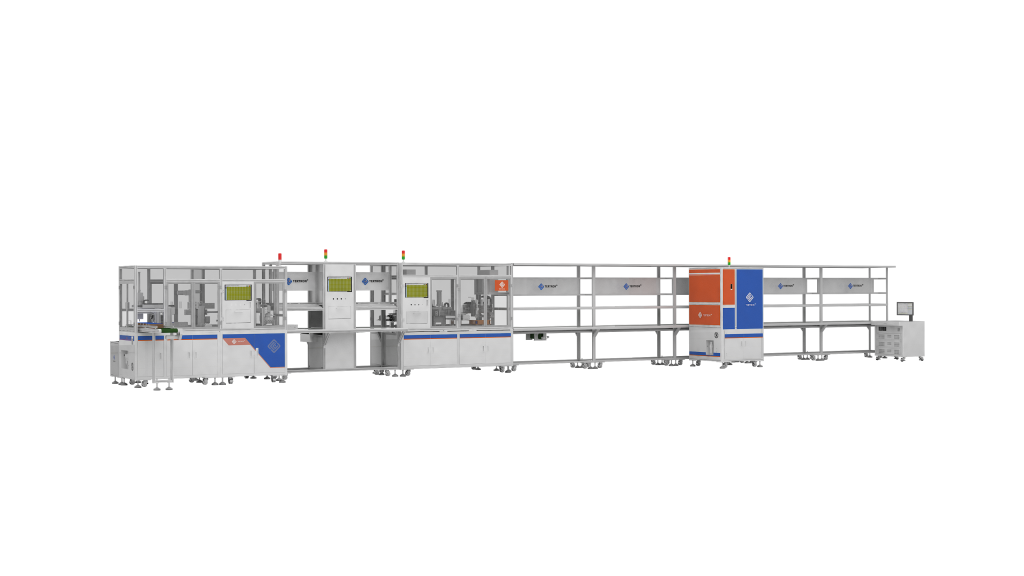
Designing the Battery Pack Layout
A well-structured layout ensures optimal performance, space efficiency, and weight balance.
Key Design Considerations:
- Optimizing for Space and Weight
- Compact designs reduce weight and improve energy density.
- Lightweight materials enhance efficiency in EV applications.
- Arranging Cells for Maximum Efficiency
- Cells are aligned to minimize resistance and heat buildup.
- Thermal pathways are integrated for effective cooling.
Example Cell Arrangements in Battery Packs:
| Arrangement Type | Advantages | Applications |
|---|---|---|
| Ladder Layout | Efficient cooling, easy assembly | EVs, industrial systems |
| Face-Centered Cubic | Higher energy density | High-performance battery packs |
| Staggered Packing | Improved structural integrity | Rugged applications |
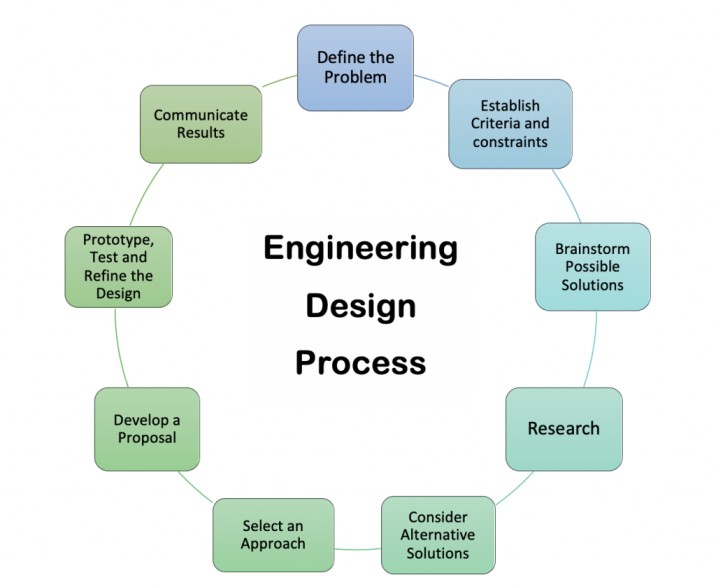
Battery Pack Assembly Techniques
Proper assembly methods ensure safe and reliable battery packs.
Spot Welding vs. Soldering Connections
| Method | Pros | Cons |
|---|---|---|
| Spot Welding | Strong connections, minimal heat impact | Requires precision machinery |
| Soldering | Simpler, accessible for small-scale assembly | Excessive heat can damage cells |
Safety Considerations in Battery Assembly
- Avoiding Overheating: Excessive heat can damage cells and reduce lifespan.
- Ensuring Proper Insulation: Prevents short circuits and improves safety.
- Mechanical Protection: Structural reinforcements prevent vibration damage.
Battery Pack Testing and Quality Control
Each battery pack undergoes extensive testing before deployment.
Key Performance Tests for Reliability and Durability:
- Capacity Testing → Ensures the pack delivers expected energy.
- Thermal Testing → Verifies the efficiency of the cooling system.
- Vibration & Shock Tests → Simulates real-world stress conditions.
Safety Certification and Compliance Standards
| Standard | Purpose |
|---|---|
| ISO 6469-3 | EV battery safety regulations |
| IEC 62660-1 | Performance testing for lithium-ion batteries |
| UL 2580 | Electrical safety certification for automotive batteries |
Adhering to these certifications ensures that battery packs meet global safety and reliability standards.
Safety Considerations in Battery Pack Design
Safety is a critical aspect of battery pack design, as failures can lead to thermal runaway, fires, or electrical hazards. Engineers integrate multiple safety mechanisms to ensure reliability.
Common Battery Safety Risks
Battery packs can face various safety risks, including overheating, short circuits, and overcharging.
| Risk | Cause | Potential Impact |
|---|---|---|
| Overheating & Thermal Runaway | Poor cooling, high discharge rates | Fire, battery explosion |
| Short-Circuit & Fire Hazards | Damaged insulation, faulty wiring | Sparks, combustion |
| Overcharging & Deep Discharging | BMS failure, improper charging | Cell degradation, reduced lifespan |
Mitigating these risks is essential for long-term performance and user safety.
How Battery Pack Design Improves Safety
A well-designed battery pack includes several safety mechanisms to prevent failures.
Key Safety Features:
- Protective Circuits & Failsafe Mechanisms
- Prevent overvoltage, overcurrent, and overheating.
- Integrated Battery Management System (BMS) ensures safe operation.
- Pressure Release Valves & Venting Systems
- Prevents gas buildup inside battery packs.
- Reduces explosion risks in case of internal failure.
- Fireproof Materials & Insulated Casing
- Flame-retardant materials minimize fire risks.
- Thermal barriers prevent heat propagation between cells.
The Future of Battery Pack Design
As electric vehicles (EVs) and energy storage systems evolve, battery pack design is undergoing significant advancements. Innovations in structural integration, AI-driven optimization, and advanced simulations are shaping the next generation of battery packs.
Structural Battery Packs
Modern battery pack design is moving beyond simply housing cells toward structural integration:
- Cell-to-pack technology: Eliminates module housings for improved energy density
- Cell-to-chassis integration: Battery packs become structural elements of the vehicle
- Benefits of structural integration:
- Weight reduction up to 15%
- Improved space utilization
- Enhanced vehicle rigidity
- Better crash energy absorption
Thermal interface materials (TIMs) play an increasingly critical role in these designs, providing mechanical bonds while improving thermal conductivity between components.
Advanced Simulation and Design Tools
Engineering simulation (CAE) capabilities are transforming the design process:
| Simulation Type | Application | Benefits |
|---|---|---|
| Thermal analysis | Cooling system optimization | Prevents hotspots and extends battery life |
| Structural simulation | Crash performance prediction | Improves safety while reducing material usage |
| Electrical modeling | Power delivery optimization | Maximizes efficiency and performance |
| Multiphysics analysis | Combined thermal-mechanical-electrical studies | More realistic performance prediction |
Parametric optimization tools enable designers to rapidly evaluate thousands of design variations to identify optimal solutions for specific requirements.
Deep Learning and AI Integration
Artificial intelligence is revolutionizing battery pack design through:
- Predictive modeling: AI algorithms predict performance outcomes without time-consuming simulation
- Design space exploration: Deep learning identifies non-obvious design solutions
- Development acceleration: Reducing design-to-verification time from hours to minutes
These technologies allow engineers without specific simulation expertise to quickly obtain performance predictions, dramatically compressing development cycles while improving overall design quality.
Conclusion
Battery pack design affects performance, safety, and lifespan. Key factors include cell chemistry, voltage, thermal management, and structural integrity.
Choosing the right battery pack depends on application needs, energy density, weight, and cooling systems. For EVs, high-capacity lithium-ion packs offer efficiency and longevity.
A well-designed battery pack improves safety, durability, and efficiency. As technology advances, AI-driven design and structural integration will shape the future of energy storage.